


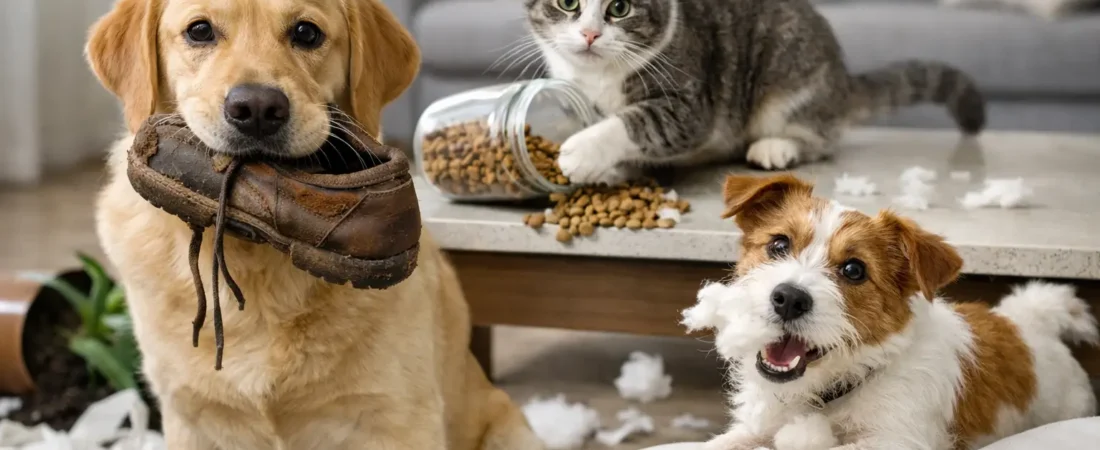
One minute your dog is sleeping like a tiny angel with tax exemptions. The next, he has stolen a sandwich, unstuffed a throw pillow, and is sprinting through the house as if the bailiff is in hot pursuit. Pet mischief stories do not start as legends. They start with one suspicious silence, one shredded receipt, and one face that says, with complete sincerity, “I regret nothing.”
That is exactly why these stories spread so fast. They are funny, yes, but they are also wildly familiar. Most pet owners are not just laughing at chaos. They are recognizing patterns. The overturned trash can, the missing sock, the dramatic zoomies after a bath – these are not random acts from furry outlaws. They are often signs of normal instincts, unmet needs, curious minds, or plain old opportunity.
Why pet mischief stories hit so hard
The best pet mischief stories work because they sit in the sweet spot between exasperating and adorable. If your dog counter-surfs a roast chicken off the kitchen island, you are not thrilled in the moment. But by the next day, it has become a family retelling with courtroom-level detail. Exhibit A was the greasy paw print. Exhibit B was the look of triumph.
Humor helps because pet behavior can be inconvenient without being malicious. Dogs are not plotting your downfall. Cats are not usually trying to destroy your emotional stability, though the evidence can feel strong. Animals repeat behavior that rewards them. If stealing a sandwich pays well, the crime ring continues.
That is the practical value hidden inside the comedy. These stories reveal what pets find enriching, rewarding, confusing, or irresistible. Once you see that, the chaos starts making more sense.
The usual suspects behind pet mischief stories
A lot of household pet trouble comes down to a short list of causes. Boredom is a major repeat offender. A dog left with too little physical exercise or mental work will often invent his own enrichment program, and it usually involves your belongings.
Curiosity is another common motive. Puppies especially investigate with their mouths. That can mean chewed shoes, gnawed chair legs, and a deep personal interest in anything that smells like you. It is not rebellion. It is research.
Then there is reinforcement, the legal term for “well, that worked once.” If a pet grabbed food from the coffee table and got a delicious jackpot, the lesson was immediate. The same goes for jumping on guests, darting through open doors, or stealing tissues from the bathroom trash. Behaviors that pay off tend to return for another hearing.
Stress can also produce mischief that looks silly on the surface but deserves a closer look. A dog who suddenly starts raiding the laundry or scratching doors may be dealing with anxiety, routine changes, or under-stimulation. The story may still be funny. The cause may not be.
Funny story or warning sign?
Not every act of pet nonsense belongs in the comedy archives. Some pet mischief stories are harmless classics. Others suggest that your pet needs training support, a schedule change, or a veterinary check.
If the behavior is occasional, predictable, and easy to trace to opportunity, it is usually normal mischief. Your dog steals pizza from a low coffee table during game night. Your cat climbs the curtains when guests arrive. Annoying, yes. Mysterious, no.
But if the behavior is sudden, intense, compulsive, or paired with other changes, the court recommends a deeper review. Watch for things like increased destruction, house-soiling, pacing, vocalizing, appetite shifts, or clinginess. A pet who was once mildly naughty and becomes relentlessly destructive may be stressed, under-exercised, sick, or aging in a way that changes behavior.
The trade-off here is simple. It is good to laugh at normal pet weirdness. It is also smart to notice when the bit has gone too far.
What common pet chaos usually means
The shoe thief is usually after scent and texture. Shoes smell strongly like their people, which makes them especially valuable contraband. Puppies also love the chew resistance. The answer is not outrage. It is management and offering legal alternatives.
The trash bandit is often motivated by smell, not hunger alone. Garbage is a buffet of mystery and reward. Some dogs are naturally more scavenger-minded than others, so one dog may ignore the can while another treats it like an all-you-can-eat crime scene.
The pillow shredder may be chasing movement, texture, or release. Tearing things apart can be deeply satisfying, especially for dogs with strong predatory or working instincts. Giving those dogs safe shredding outlets, chew items, and puzzle activities can reduce their interest in your home decor.
The zoomie defendant is often just over-aroused, happy, relieved, or full of energy. Zoomies after baths, poops, or exciting arrivals are common. They are usually harmless unless the dog is slipping, crashing into furniture, or escalating into rough behavior.
The food snatcher has learned that humans are distractible. This is less a personality flaw and more a business model. If food is accessible, many pets will make a compelling case for immediate self-service.
How to prevent better pet mischief stories from happening in your house
Prevention is rarely glamorous, but it works. Most pets do not need a stirring lecture on ethics. They need a setup that makes good choices easy and bad choices boring.
Start with management. Keep food out of reach, close trash lids, use gates if needed, and put tempting objects away. This is not cheating. This is competent courtroom procedure. If your pet keeps rehearsing the same successful crime, training gets harder.
Then look at daily needs. Dogs need a mix of physical exercise, sniffing, problem-solving, and rest. A brisk walk is helpful, but for many dogs it is not the full case file. Training games, food puzzles, scent work, and short practice sessions can tire the brain in ways a quick loop around the block does not.
Cats need environmental enrichment too. Vertical space, play that mimics hunting, scratching areas, and novelty matter more than many people realize. A bored indoor cat can become an inventive domestic attorney for chaos.
Consistency matters more than intensity. Five minutes of training every day often beats one heroic session on Sunday. If you reward the behaviors you want, like settling on a mat, leaving food alone, or chewing the right item, those behaviors get stronger over time.
Why punishment usually weakens the case
Many classic pet mischief stories become bigger because owners react after the fact. The dog already ate the muffin. The cat already knocked the glass off the table. Your pet does not review past evidence the way humans do. If you punish late, you are often just creating confusion or stress.
That does not mean you ignore the behavior. It means you interrupt what you can in the moment, manage the environment better next time, and actively teach an alternative. Trade the stolen sock for a toy. Teach “leave it.” Reward four paws on the floor. Make the lawful option worth choosing.
There is an “it depends” here. A sharp verbal interruption can stop a dangerous behavior in the moment, and safety comes first. But as a long-term plan, punishment is usually weaker than prevention plus training. It may suppress behavior briefly without fixing the reason it happens.
The secret reason we keep retelling these stories
Pet owners trade these stories because they make everyday life feel communal. Someone else also lost a sandwich to a Labrador with no visible remorse. Someone else also came home to a couch cushion that looked like it had testified under pressure. The details vary, but the emotional math is the same.
These stories also remind us that pets are not furniture. They are little personalities moving through our homes with instincts, preferences, impulses, and occasionally criminal confidence. The mess is real. So is the bond.
At Judge Fable Pet Court, that is the whole joke and the whole truth. The defendant may be guilty of grand larceny involving one rotisserie chicken. He may also be a very good boy who needs a puzzle feeder, a closed pantry door, and less access to unattended lunch.
The next time your pet creates material for the family group chat, laugh if you can, then ask the useful question: what made that behavior rewarding, and how can I set things up better tomorrow? That is how the funniest stories stay funny – and how your household gets a little more peaceful without losing any character.