


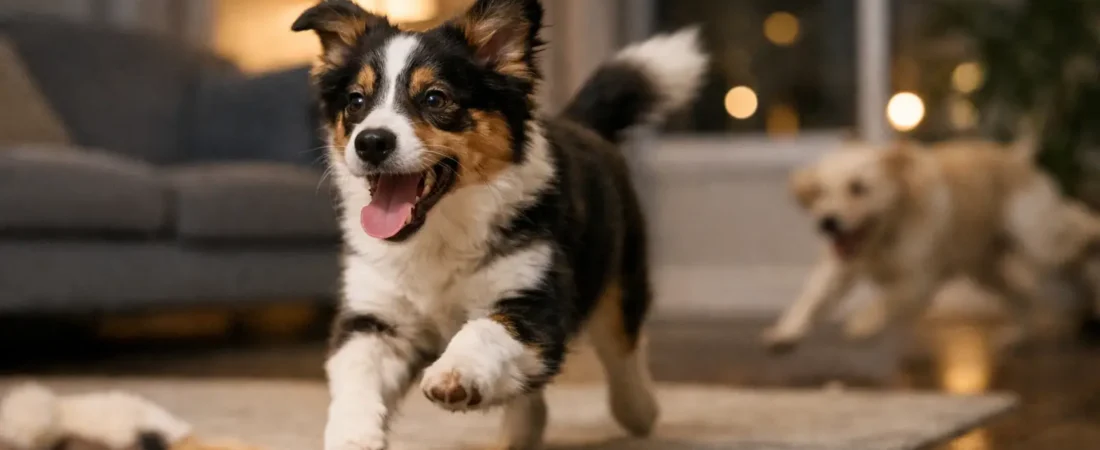
One minute your dog is half-asleep on the rug. The next, they are sprinting through the hallway like they just remembered an urgent appointment with chaos. If you are dealing with dog zoomies at night, the court would like to assure you that this behavior is usually more silly than sinister.
Those frantic bursts of speed have a real name: FRAPs, or frenetic random activity periods. Most owners skip the acronym and go straight to, “Why is my dog ricocheting off the couch at 10:43 p.m.?” Fair question. Nighttime zoomies are often normal, but the reason behind them can vary from harmless excitement to a routine issue worth fixing.
Why dog zoomies at night happen
The most common explanation is leftover energy. Dogs who have not had enough physical exercise, mental stimulation, or opportunities to sniff and explore during the day may hit a second wind at night. Humans call it being restless. Dogs call it turning the living room into a racetrack.
Sometimes zoomies happen after a triggering event. A bath, a poop, a visitor leaving, a favorite person coming home, or an especially exciting play session can all set them off. Night can also be the first quiet moment all day when your dog finally has space to release pent-up energy.
Age matters too. Puppies and young dogs are frequent repeat offenders because they have more energy, weaker impulse control, and a natural talent for making ordinary evenings feel like a police chase. Adult dogs can still get zoomies, but if nighttime outbursts suddenly appear in a dog who never used to do this, it is worth looking at changes in routine, stress, or health.
The usual suspects behind nighttime zoomies
In many homes, the schedule itself is the culprit. If your dog spends long stretches resting while you work, then gets the most attention in the evening, their body may start to expect action right before bed. Dinner can contribute as well. Some dogs get a burst of energy after eating, especially if mealtime is followed by excitement, play, or a household rush of activity.
Overtiredness is another possibility, and yes, that sounds unfair. Puppies in particular can act like toddlers who skipped a nap and then decided to host a drum solo. An overstimulated or overtired dog may look wild, not sleepy.
Stress can also show up as zoomies. A change in environment, loud noises, visitors, schedule disruptions, or even a tense household can make some dogs discharge nervous energy through frantic movement. In those cases, the zoomies may look less joyful and more frantic. That distinction matters.
Normal zoomies vs. a reason to pay attention
Typical zoomies are brief, loose, and happy-looking. Your dog darts around, spins, maybe grabs a toy, and then settles down within a few minutes. Their body language stays bouncy and relaxed. They are not crying out, limping, or acting disoriented.
That is usually normal.
What deserves a closer look is a pattern that changes suddenly or comes with other symptoms. If your dog seems unable to settle night after night, pants heavily when the room is cool, appears distressed, scratches constantly, bites at their body, seems painful when moving, or acts confused, do not just file it under “goofy.” Medical issues can sometimes masquerade as hyper behavior.
Digestive discomfort, itching, pain, anxiety, cognitive changes in senior dogs, and even too much caffeine stolen from a forbidden source can affect behavior. The verdict here is simple: if the energy burst looks off, unusually intense, or paired with signs of discomfort, call your veterinarian.
How to handle dog zoomies at night without making it worse
The first rule is not to escalate the case. Chasing your dog, yelling, or turning it into a high-energy game often adds fuel to the fire. Your dog may think you joined the fun, which is not the legal outcome you were hoping for.
Instead, stay calm and manage the environment. Move breakable items out of the path if needed. If your dog is safe in the house or fenced yard, let the burst run its course. Most zoomies burn out quickly.
If your dog tends to crash into furniture or get mouthy, redirect rather than confront. A tossed toy, a cue to go to a mat, or a simple scatter of kibble on the floor can help switch their brain from frantic motion to sniffing and foraging. Sniffing is slower, more thoughtful work. It is the canine equivalent of asking the defendant to lower their voice.
Preventing nighttime zoomies before court is in session
If the zoomies happen at the same time every night, prevention usually works better than reaction. Start by looking at your dog’s full day, not just the five wild minutes before bed.
Exercise helps, but quality matters more than mindless motion. A brisk walk, fetch session, or tug game can burn energy, but many dogs also need mental effort. Training practice, food puzzles, nose work games, and decompression walks with lots of sniffing can leave a dog more satisfied than physical exercise alone.
Timing matters too. If your dog gets amped up late at night, try shifting activity earlier in the evening, then creating a calmer transition toward bedtime. A short walk after dinner, ten minutes of training, and then a quiet chew can work better than one huge burst of play right before lights out.
Routine is powerful. Dogs often settle better when the evening follows a predictable order: potty break, light activity, calm enrichment, then sleep. When every night feels different, some dogs stay on alert longer and have a harder time powering down.
Build a better bedtime routine
Think of bedtime as a wind-down process, not a switch.
Lower the household energy when possible. Dimmer lights, less roughhousing, and fewer exciting interactions can help signal that the day is ending. If your dog gets rowdy after dinner, a sniff walk or lick mat may take the edge off better than indoor wrestling with a squeaky toy that sounds like a tiny tax audit.
For dogs who struggle to settle, a designated sleep space can make a difference. Some relax better in a crate, some on a bed in a quiet corner, and some near their people. There is no universal ruling here. It depends on the dog, the home, and what your dog already finds comforting.
Chews can help some dogs decompress, as can soft music or white noise if outside sounds trigger alertness. Just make sure any chew is safe and appropriate for your dog’s size and chewing style.
When your dog needs more than exercise
A surprising number of nighttime zoomies are not really about needing to run more. They are about needing to do more meaningful dog things.
Dogs need chances to sniff, solve problems, make choices, and engage with their environment. A dog who gets a quick walk around the block but no enrichment may still feel unsatisfied. That can show up as restlessness at night.
If your dog already gets plenty of exercise but still launches into late-evening nonsense, add short training sessions, scent games, or food-dispensing toys during the day. Even five to ten minutes of focused brain work can make a noticeable difference.
If separation-related stress or general anxiety seems to be part of the picture, management and training may be more helpful than simply trying to tire your dog out. An anxious dog can be exhausted and still unable to settle.
When to call the professionals
If the zoomies are intense, frequent, or new, start with your veterinarian. Rule out pain, skin irritation, digestive discomfort, or other medical issues first, especially if your dog is older or showing any other changes.
If your dog is healthy but the nightly chaos is getting out of hand, a qualified trainer or behavior professional can help you spot the pattern. Often the fix is not dramatic. It may be a routine shift, a different type of enrichment, or a better wind-down period before bed.
And if your dog is simply a young, healthy goofball with a flair for evening theatrics, your main job may be to keep the area safe and not take it personally. Some defendants are guilty only of excessive enthusiasm.
Nighttime zoomies can be ridiculous, loud, and deeply inconvenient when you are brushing your teeth and dreaming of silence. But in most cases, they are your dog telling you something simple: I have energy, feelings, or unfinished business from today. Listen to the pattern, adjust the routine, and with a little luck, the court may adjourn before the 11 p.m. sprint session begins.