


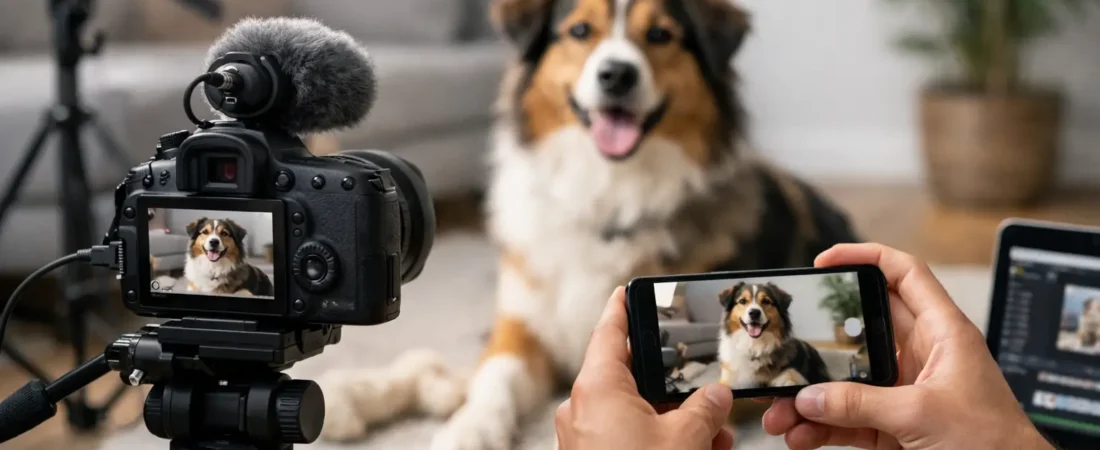
The best dog videos are not usually the ones with cinematic lighting, a tiny tuxedo, and a camera crew hiding behind the ficus. They are the clips that catch a real moment: the Dachshund emerging from an unauthorized blanket tunnel, the Boxer conducting a full security inspection of a delivery truck, or the mixed-breed suspect realizing the treat jar has been moved to a higher shelf.
That is good news for anyone whose phone is already full of blurry paws and accidental ceiling footage. You do not need a polished production to make a clip people stop scrolling for. You need a dog being unmistakably themselves, a setup that keeps them comfortable, and enough editing discipline to get to the funny part before the jury loses interest.
What Makes Dog Videos Worth Watching?
A strong pet clip has one job: make the viewer feel something quickly. Usually that feeling is laughter, recognition, tenderness, or the profound relief of learning that someone else’s dog also treats 2:14 a.m. as an ideal time for hallway zoomies.
The most shareable videos tend to have a clear premise. A Husky appears to argue with a vacuum. A Standard Poodle refuses to cross a suspiciously shiny floor. A Great Dane sits on the evidence, which happens to be the entire couch. The viewer understands the situation in a second, then stays for the reaction.
Personality beats perfection. If your dog has an oddly formal way of waiting for dinner, a habit of carrying one sock like a prized legal document, or a face that communicates deep disappointment when you leave for work, that is the material. Do not force a trend onto a dog whose natural comedy is somewhere else.
There is also a difference between a funny behavior and a confusing clip. A video of a dog sprinting around the kitchen can be charming, but a quick caption gives it a case file: “Defendant heard the cheese drawer open.” Context makes viewers care, especially when they do not know your household cast of characters yet.
Start With the Dog, Not the Trend
The court takes a firm position on this matter: your dog is not an unpaid actor with a call sheet. If they seem worried, tired, overexcited, or uninterested, adjourn the production.
Dogs communicate discomfort in ways that can be easy to miss when a phone is already recording. Repeated lip licking, turning away, yawning when they are not sleepy, a tucked tail, pinned-back ears, or attempts to leave are reasons to stop. A cute clip is never worth making a dog feel cornered or pressured.
Skip pranks that startle your dog, encourage guarding, or put them in unsafe situations. Avoid placing food where they may grab something harmful, asking them to jump from furniture, filming around unfamiliar dogs, or staging a “guilty” expression after they have made a mistake. Dogs do not understand shame the way people do. They understand your tone, your body language, and whether the room feels safe.
The better approach is to capture behavior you already enjoy. Film a quick training session, a sniffy walk, a favorite toy ritual, or the moment your dog greets a trusted family member. If you want a little structure, use rewards your dog loves and keep sessions short. A few cheerful minutes can produce better footage than 45 minutes of negotiations with a Bichon Frise who has retained counsel.
Let breed traits inform the setup, not write the script
Breed tendencies can provide useful clues. A Border Collie may light up during a puzzle or a tidy-up game. A scent hound may offer better footage following a trail than sitting still for a portrait. A Whippet might deliver elite blanket-burrowing content, while a confident little Terrier may have serious opinions about leaves moving across the yard.
But the individual dog is the actual witness. Plenty of energetic breeds prefer quiet afternoons, and plenty of supposedly reserved dogs become tiny chaos engines when a tennis ball appears. Film what is true for your dog, not what the internet expects from the breed.
The Easiest Way to Film a Better Clip
Use the camera you already have. A newer phone is more than capable of recording engaging dog content, particularly in natural light. Stand near a window indoors or film outside during morning or late-afternoon light. Your footage will look clearer, and your dog will not have to tolerate a bright light pointed directly at their face.
Get low. Eye-level footage makes a dog feel like the main character rather than a distant fuzzy object at the bottom of the frame. It also helps viewers read their expressions and body language. If you are filming a small dog, sit on the floor or prop your phone safely near their level. Your knees may file a complaint, but the evidence will improve.
Record more than you think you need, then trim hard later. Begin filming before the likely moment happens and wait a few seconds afterward. If your dog does something hilarious, resist the instinct to immediately gasp, laugh, and swing the camera toward the refrigerator. Stay steady. The reaction shot is often the verdict.
Sound matters, too. A dog’s dramatic sigh, tiny grumbles, jingling tags, or enthusiastic nail taps can make a clip feel more alive. If the room is noisy, mute the original audio and add a simple voiceover or caption instead. Do not let trendy audio bury the moment that made the video funny in the first place.
Give Every Clip a Tiny Story
Most people do not need a 90-second record of a dog considering whether to lie down. They need the premise, the escalation, and the payoff.
A simple structure works well:
- Set the scene in the first second with a visual or caption.
- Show the behavior or problem at the center of the clip.
- End on the reaction, reveal, or deadpan consequence.
- Keep the final cut only as long as the joke needs.
For example, open on a muddy Australian Shepherd staring at a freshly cleaned floor. Add: “Client claimed the yard was ‘basically dry.’” Show the careful first step inside. End on the owner silently holding a towel while the defendant looks entirely unrepentant. No elaborate plot required. The story is already there.
Captions are especially helpful because many viewers watch with sound off. Keep them readable and brief. A mock-courtroom line can add character, but do not make every caption sound like it was drafted by 14 lawyers at midnight. “Exhibit A: the missing sandwich” is plenty.
Edit Like the Jury Has Places to Be
The first few seconds decide whether a viewer stays. Cut out the part where you unlock your phone, call your dog three times, and accidentally film your own shoe. Begin where the action begins.
Then protect the pace. Remove repeated throws, long pauses, and any section that does not add information or charm. Sometimes the best version is seven seconds long. Sometimes a slower 30-second clip works because the suspense is the joke, such as a Shiba Inu considering a raincoat with visible contempt. It depends on the moment.
Use text sparingly. One clear caption can sharpen a punchline; five lines of tiny text can make a sweet clip feel like required reading. If you add a voiceover, say what the video cannot show, such as the backstory behind a destroyed pillow or the reason your dog is waiting so intensely by the pantry.
Before posting, watch once without sound and once as a first-time viewer. Can someone understand what happened without knowing your dog? Is the framing clear? Does the clip end before it drifts? Those small checks are the editorial equivalent of Bailiff Rex clearing his throat before court begins.
Build a Series Without Making Your Dog a Content Machine
A recurring format makes it easier for people to recognize your posts. You might share “daily objections,” “evidence of snack crimes,” training wins, nap-time rulings, or weekly walks with a particular neighborhood nemesis, such as one deeply offensive lawn ornament.
Consistency does not mean posting every moment of your dog’s life. It means giving people a familiar reason to come back. A once-a-week series can be more sustainable than trying to manufacture daily antics. Save clips as you capture them, and post when you have a moment worth sharing.
Keep private details private, too. Check that addresses, school names, license plates, and identifying information are not visible in the background. If other people appear, make sure they are comfortable being filmed. A good laugh should not come with an accidental privacy hearing.
The clips people remember are rarely the most staged. They are proof that life with a dog is ridiculous, affectionate, occasionally covered in shredded paper, and better when we can laugh at the evidence. Keep the camera handy, keep the treats reasonable, and let your dog make their own very compelling case.