


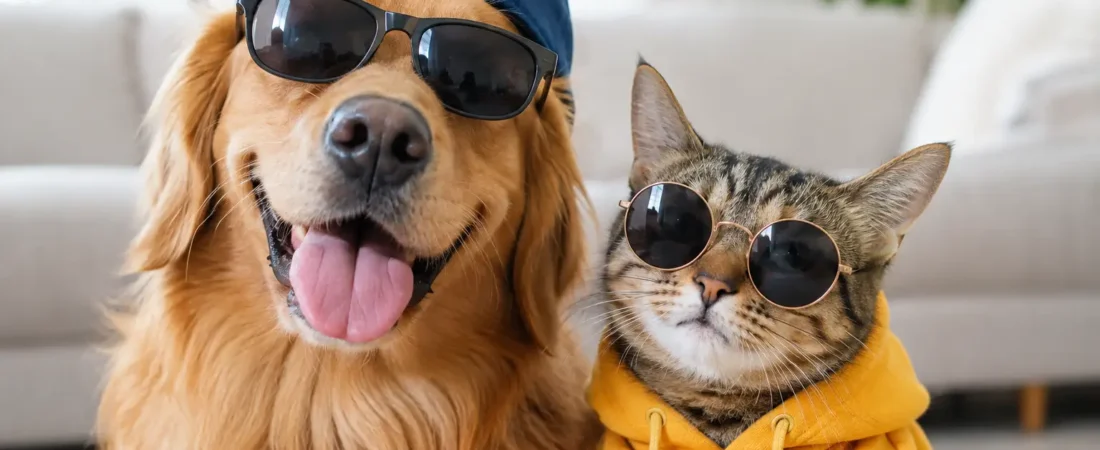
A husky says “no” with the conviction of a man disputing a parking ticket. A dachshund emerges from beneath the couch with half a sock and no further comment. A Great Dane attempts to sit in a lap designed for a housecat. The funniest pets on social media are not usually funny because they perform on command. They are funny because they behave with alarming confidence in situations where confidence is plainly not warranted.
That is the whole case, really. Pet comedy works when it captures a tiny, recognizable disaster: the empty treat bag, the suspiciously damp carpet, the cat staring directly at the overturned plant as if waiting for counsel. We laugh because our own homes have been crime scenes, too.
What Makes the Funniest Pets on Social Media So Shareable?
The internet has no shortage of cute animals. Cute earns a pause. Funny earns a send-to-your-sister text with “THIS IS YOUR DOG.” The difference is usually a clear story that viewers understand in seconds.
The strongest clips have a setup, an escalation, and a reaction. Maybe a Boxer hears a delivery truck, launches a full security briefing, then discovers the alleged intruder is a leaf. Maybe a Border Collie has carefully relocated every shoe in the house to one strategic corner, presumably for operational reasons. The audience does not need a detailed explanation. They can see the motive, however ridiculous it may be.
A pet’s expression often delivers the final ruling. The guilty look after a trash-can raid is funny not because dogs necessarily understand the legal definition of guilt, but because they appear to have hired a very bad attorney. Cats, meanwhile, are masters of the opposite approach: total refusal to acknowledge jurisdiction.
There is also a powerful ingredient behind great pet content: specificity. “Dog is silly” is pleasant. “Miniature Schnauzer steals one ravioli from the counter, carries it to the bedroom, and guards it like a family heirloom” is a case file. Specific details turn generic animal behavior into a personality viewers can recognize.
The Comedy Is Relatable, Not Random
The best animal videos make pet owners feel less alone. A person watching a Bichon Frise covered in toilet paper is not merely laughing at bathroom destruction. They are remembering the day they left their own pet unsupervised for six minutes and returned to what appeared to be a snowstorm with plumbing.
That relatability matters because pets are woven into daily life. They interrupt meetings, reject expensive beds in favor of cardboard, bark at invisible neighbors, and somehow know the exact moment you are carrying a full cup of coffee. Their behavior is inconvenient in real time but excellent material once everyone is safe, the mess is cleaned up, and the evidence has been submitted to the group chat.
Breed traits can add texture, as long as they are not treated as a verdict before the hearing. A husky may be especially vocal. A Dachshund may be enthusiastic about digging and tunneling. A cattle dog may decide that everyone in the family needs better scheduling. But individual pets always get the last word. The quiet husky and the couch-potato cattle dog are also out there, quietly preparing surprise testimony.
A Funny Clip Needs a Pet Who Is Comfortable
Here is where the court becomes slightly serious. The funniest moments should not come at a pet’s expense. Fear, injury, forced costumes, unsafe pranks, and prolonged distress are not comic material, no matter how many views they might attract.
A relaxed pet usually gives clear signs: loose body language, willingness to move away, normal interest in treats or surroundings, and behavior that looks like their ordinary self. A dog doing zoomies after a bath may be delighted. A dog cornered for a reaction video may be overwhelmed. Those situations can look similar in a five-second clip, which is why owners should consider the full context before posting.
The same standard applies to the setup. It is one thing to film your cat voluntarily squeezing into a fruit bowl. It is another to place a cat there repeatedly because the first video performed well. One is a spontaneous misdemeanor. The other is manufacturing evidence.
Keep everyday hazards out of the bit, too. Food theft may be funny until the food is toxic. A dramatic counter-surfing reenactment is not worth a trip to the emergency vet. If a pet has swallowed something questionable, seems unusually quiet, is struggling to breathe, or has a sudden behavior change, close the app and call a veterinarian or emergency clinic.
How to Capture Your Pet’s Best Courtroom Moment
You do not need studio lights, a script, or a pet with an agent. Most memorable pet videos are short because the joke is visual and immediate. Keep your phone nearby during routines that reliably produce chaos: meal prep, package deliveries, walks, bath time, the opening of a cheese drawer, or the suspicious sound of a vacuum cleaner waking from its slumber.
Film from a safe distance rather than stepping into the action. That gives your pet room to be themselves and prevents your narration from becoming the main event. Sometimes a single deadpan caption is enough: “Defendant claims the pillow exploded first.” Sometimes the unedited sound of a husky objecting to a bath deserves the floor all by itself.
Timing is more useful than perfection. Start recording when you see the setup, then wait a few extra seconds for the reaction. The second glance at the empty treat jar, the slow turn toward the camera, or the cat’s offended exit is often the punchline.
Captions help viewers understand a clip without sound, but they should add to the moment rather than explain every frame. Think like a court reporter with a sense of humor. State the charge. Present one absurd fact. Let the animal’s face handle the closing argument.
If you share regularly, variety keeps the feed from feeling staged. Mix the spectacular incidents with quieter personality moments: a senior mutt demanding breakfast at 5:47 a.m., a Poodle inspecting a new toy with corporate-level skepticism, or a rescued tabby conducting nightly hallway patrol. Not every post needs a grand offense. A strong character is more memorable than an endless parade of tricks.
Why the Best Pet Accounts Feel Like Ongoing Stories
People return to certain pet accounts because they know the cast. They recognize the dog who believes every guest arrived specifically to admire him, the cat who audits every grocery bag, and the rabbit who has made a personal enemy of a broom. Repeated traits create a familiar comic rhythm.
That does not mean putting a pet in a box. Let their personality evolve. A formerly shy rescue may become the household’s snack investigator. A puppy may graduate from chewing slippers to supervising laundry. The audience gets to celebrate that growth, while also respectfully documenting every minor offense along the way.
A recurring frame can make those stories even sharper. Judge Fable Pet Court, for example, treats everyday pet chaos as mock legal drama because a shredded throw pillow becomes funnier when entered as Exhibit A. The framework works because the underlying behavior remains real and recognizable. The joke is not that pets are props. The joke is that they behave like tiny, fluffy roommates with zero regard for property law.
The Verdict: Let the Pet Lead
The secret behind viral animal comedy is not bigger stunts or louder captions. It is attention. Notice the odd little ritual your pet repeats. Catch the moment they reveal their suspicious priorities. Share it only when they are safe, comfortable, and unmistakably themselves.
Your pet may never steal a croissant on camera or argue with a vacuum before an audience of millions. But if they solemnly carry one slipper from room to room every evening, the court would advise keeping the phone charged. That is not a habit. That is a character arc.