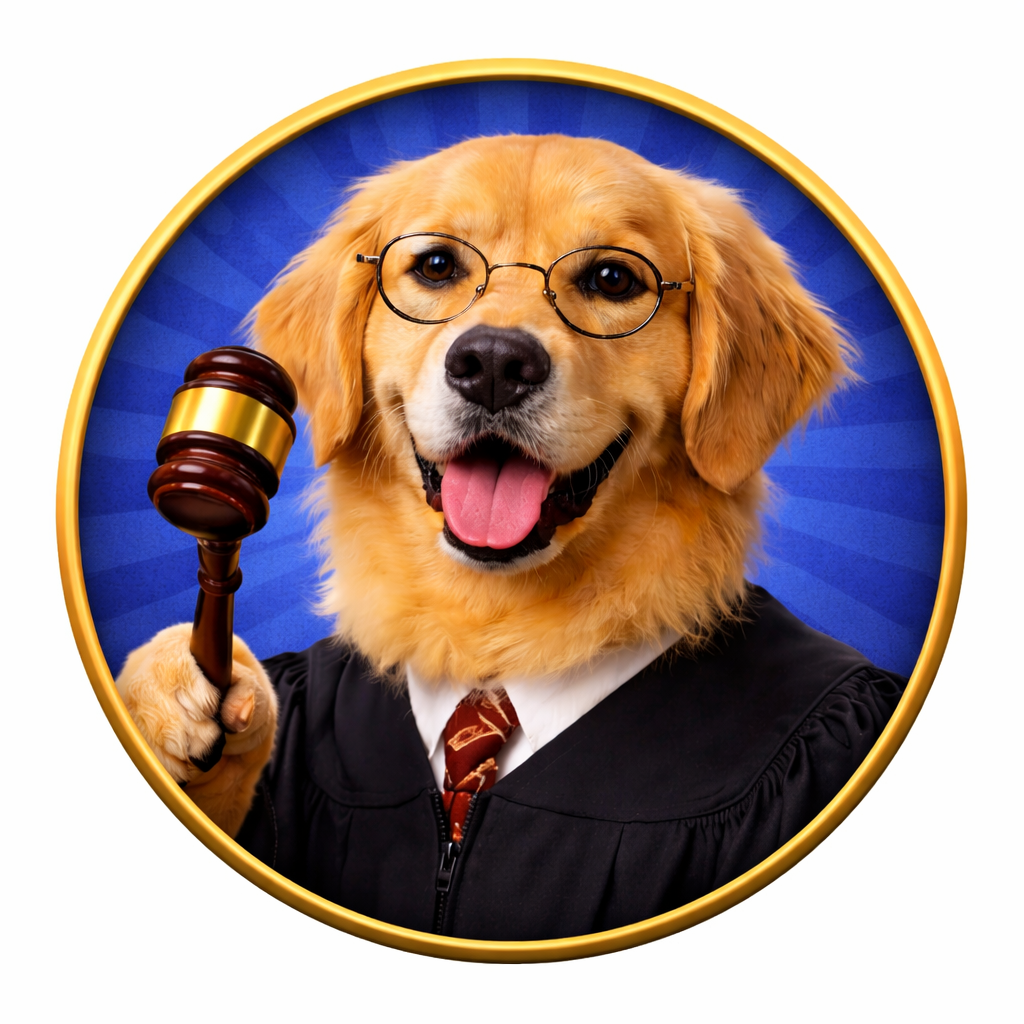



A pet poll should feel less like homework and more like finding a mystery sock under the couch and demanding answers. Learning how to run pet polls well means giving people an easy, funny way to say, “Yes, my dog has also committed this exact crime.” The best ones turn ordinary pet chaos into a tiny community verdict.
For Judge Fable Pet Court, that means every vote is jury duty. For your audience, it means a quick laugh, a chance to defend their own defendant, and a reason to come back for the ruling.
Start With a Case People Recognize
The strongest pet polls are specific enough to spark a memory and broad enough that plenty of owners can vote. “Do you love dogs?” is not a case. The answer is obvious, the jury is bored, and the bailiff has already fallen asleep.
Instead, frame a familiar behavior as a charge. Ask whether a dog who steals one French fry from the coffee table is guilty of snack theft or merely conducting a quality inspection. Ask which household object is most likely to vanish during a puppy’s unsupervised 45 seconds. Ask whether 6 a.m. breakfast demands are an alarm clock or a civil rights violation.
A good poll has three qualities: it is instantly understandable, emotionally low-stakes, and likely to make people think of their own pet. Keep the question focused on one tiny moment. The smaller the crime, the easier it is for people to picture it.
Breed details can make a question more vivid when used warmly. A Dachshund’s landscaping project, a Husky’s ongoing oral argument, or a Border Collie’s unauthorized household reorganization gives voters a scene to react to. Just avoid treating any breed as a one-note punchline. Individual pets remain the real masterminds.
How to Run Pet Polls With Clear Choices
Your answer options matter as much as the question. If every option sounds the same, voters do not know where to put their paw print. If one choice is plainly funnier or kinder, the poll becomes less of a poll and more of a request for approval.
Two options work beautifully for a clean verdict: guilty or innocent, justified or outrageous, snack thief or snack auditor. They are especially useful in Instagram Stories, email buttons, or a quick post where people are scrolling at top speed.
Three or four choices are better when the behavior has genuinely different explanations. Consider a poll about why a dog stares at the wall. The options might include “heard a suspicious noise,” “tracking a ghost,” “waiting for dinner,” and “refusing to reveal the truth.” Each option should be distinct, short, and equally tempting.
Do not add choices just to sound clever. A five-option poll can work, but only when each answer gives voters a real lane. Otherwise, the jury will choose the first funny phrase and move on without engaging.
When possible, use plain language first and courtroom flavor second. “What did your dog destroy first?” is easy to scan. “Which item was entered into evidence after the defendant’s destructive rampage?” is fun, but longer. The right balance depends on the platform. Fast-moving social posts benefit from brevity; email and longer captions can carry more character.
Give the Jury a Reason to Comment
Votes are useful. Comments are where the case files get juicy.
After the poll, ask one simple follow-up question that invites a story: “What was the most suspicious evidence?” or “What did your defendant steal, and did they show remorse?” This is not the moment to demand a full deposition. A low-effort prompt gets more replies than “Tell us everything about your pet’s personality.”
You can also make the result feel consequential. Promise a mock ruling, a caption for the winning answer, or a follow-up post featuring anonymous jury testimony. If voters believe the verdict leads somewhere, they are more likely to participate next time.
For example, a poll asking whether a muddy Poodle should be sentenced to bath time could be followed by: “The court has reviewed 842 votes. The defendant has been remanded to the tub, where she will continue to argue her innocence.” The outcome does not need to be serious. It simply needs to reward the audience for showing up.
If you share user-submitted photos or stories, ask permission before reposting them and remove personal details. A funny pet community should feel welcoming, not like a surprise subpoena.
Match the Poll to the Platform
The mechanics of a pet poll change depending on where it lives. Story polls are built for speed and visual jokes. A photo of a Boxer standing guard at the window paired with “Delivery driver: friend or probable threat?” can earn a fast response because the context is visible in one second.
Feed posts and short-form videos give you more room for a setup. Use the caption to present the charge, then put the actual poll or call for comments where viewers can act on it. A quick video of a mixed-breed dog dragging a blanket across the living room can become a much stronger question when viewers know the blanket was allegedly being relocated for “interior design purposes.”
Email polls work best when they feel exclusive. Call subscribers the jury, make the choices obvious, and reveal the result in the next email. Keep the design simple and mobile-friendly. Nobody should need legal counsel to figure out where to click.
On any platform, make accessibility part of the procedure. Use readable text over images, clear contrast, and captions on video. If a poll relies on a photo, describe the important visual joke in the accompanying text so more people can join the deliberation.
Keep a Reliable Poll Schedule
You do not need to hold court every day. In fact, posting too often can make even delightful questions feel like paperwork. One recurring weekly poll is enough to build a habit, especially if followers know when the ruling will arrive.
A simple rhythm works well: introduce the case, collect votes, then publish the verdict and a few audience reactions. You can rotate case categories so the format stays fresh. One week might involve food crimes, the next outdoor behavior, then bedtime disputes, strange noises, or suspicious reactions to the vacuum.
Seasonality gives you easy material, too. Summer creates cases involving sprinkler resistance and stolen barbecue. Fall brings leaf-pile ambushes. Winter delivers disputes over coats, boots, and whether snow zoomies count as reckless driving. Holiday polls practically write themselves, though the defendant may still deny eating the wrapping paper.
Use Results Without Letting the Majority Run the Court
Poll results tell you what your audience enjoys discussing, but they are not a command from the highest court. A landslide vote for “dogs sleeping in the human bed” may show a popular topic, but it does not mean every future post should feature bedding disputes.
Look for patterns over time. Which cases attract comments rather than just taps? Do people respond more to visual evidence, mock verdicts, or questions about daily routines? Does your audience prefer two-choice showdowns or elaborate suspect lineups? Keep a basic record of the question, format, votes, comments, and any useful audience phrases.
Then reuse the insight, not the exact post. If snack-related polls perform well, try a new angle: kitchen counter surveillance, dinner-bowl appeals, or the legal status of crumbs. Repeating a winning premise is smart. Repeating the same joke until it chews through the furniture is not.
Keep the Tone Kind and the Stakes Small
Pet polls should invite laughter, not judgment. Avoid questions that shame owners, mock frightened pets, or turn real health and behavior concerns into entertainment. If a subject involves aggression, anxiety, illness, or safety, a playful verdict is rarely the best tool. Those situations deserve calm, responsible guidance and, when needed, qualified professional support.
Likewise, steer clear of polls that encourage risky behavior, such as letting pets eat unsafe foods or leaving them unsupervised in questionable situations. The court may enjoy chaos, but it does not endorse preventable chaos.
The sweet spot is everyday mischief: dramatic sighing, selective hearing, couch occupation, toy hoarding, unexplained barking at nothing, and the eternal question of who truly owns the blanket. Give people a case they can recognize, a choice they can make in seconds, and a verdict worth checking tomorrow. The jury will do the rest.