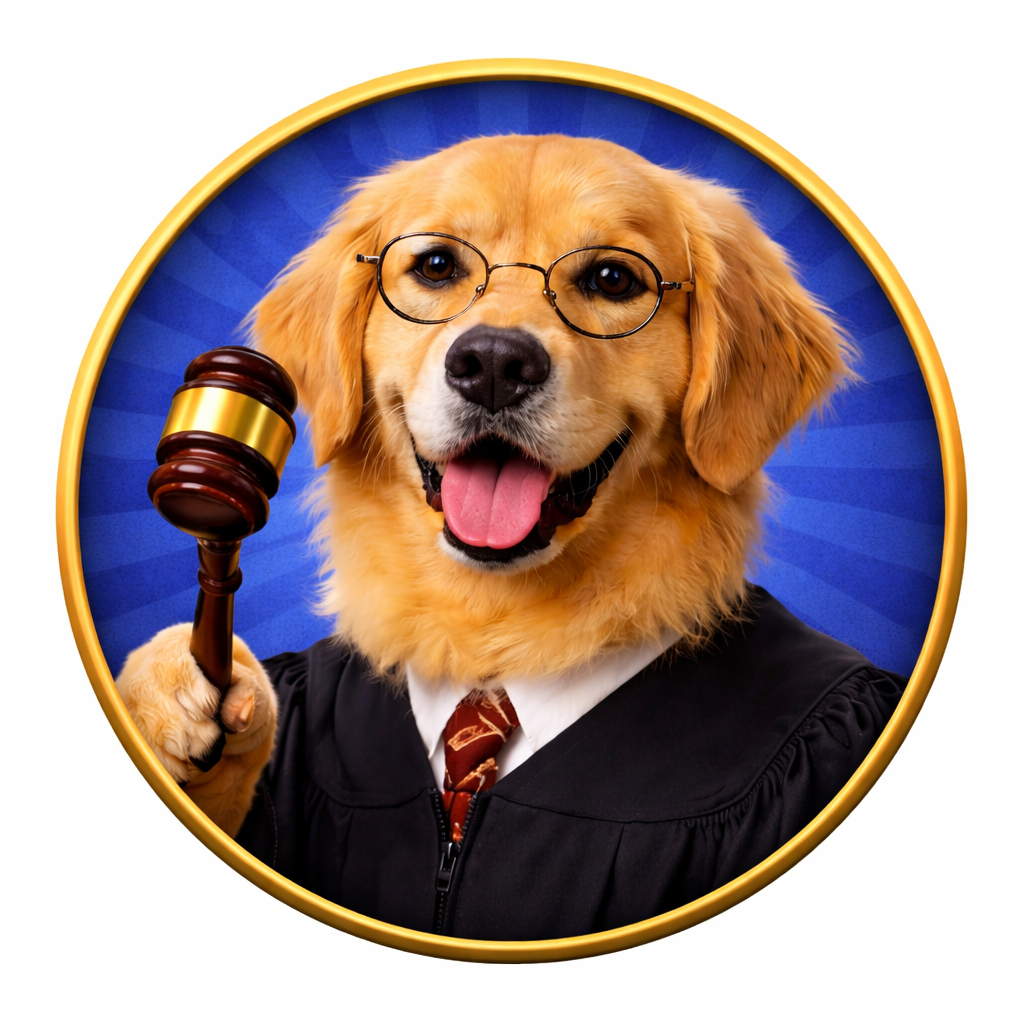



The case usually begins with a suspicious silence. Then comes Exhibit A – the shredded mail, the missing sandwich, the throw pillow that now looks snowed on. Dog mischief can feel personal when you are staring at the scene of the crime, but most of the time your defendant is not acting out of spite. They are doing what dogs do when needs, instincts, and opportunity collide.
That distinction matters, because the wrong explanation leads to the wrong fix. If you treat every stolen sock like a character flaw, you miss the real motive. In the court of household chaos, dog behavior is usually less about rebellion and more about boredom, stress, curiosity, excess energy, or a habit that accidentally paid off.
What counts as dog mischief?
Dog mischief is the broad category of behaviors that make owners laugh, groan, or hide the good shoes. Think counter surfing, trash raiding, sock theft, digging in the yard, barking at invisible offenders, surprise zoomies through the living room, and unauthorized sofa excavation.
Some of these behaviors are normal dog behaviors showing up in inconvenient ways. Digging is natural. Chewing is natural. Sniffing for food is very natural, especially if someone left a rotisserie chicken within reach and expected moral restraint. The issue is not that your dog is broken. The issue is that your home and your dog’s instincts are sometimes arguing before a live studio audience.
That said, not all “mischief” belongs in the comedy file. If a dog suddenly starts destroying things, has accidents after being reliably house trained, seems panicked when left alone, or becomes fixated on one behavior, the verdict may be anxiety, pain, or a medical issue rather than simple troublemaking.
Why dog mischief happens
The court recognizes several repeat offenders.
Boredom and under-stimulation
A smart dog with nothing to do will invent a hobby, and you may not like the hobby. Many dogs need more mental work than owners realize. A quick potty walk may handle bathroom business, but it does not necessarily satisfy a dog built to sniff, chase, herd, retrieve, or solve problems.
This is why some dogs seem particularly inventive with mischief. They are not plotting your downfall. They are self-entertaining with whatever materials are available, which unfortunately includes cushions, remote controls, and your favorite sneakers.
Excess energy
A dog with energy to burn often looks “bad” when they are really just under-exercised. Young dogs, working breeds, and adolescents are especially skilled in turning pent-up energy into chaos. If your dog turns into a furry pinball machine every evening, that is useful evidence.
Exercise helps, but the right kind matters. A slow stroll may not cut it for a dog who needs opportunities to run, sniff, train, and use their brain.
Reinforcement, accidental or otherwise
Dogs repeat what works. If stealing a sock reliably starts a thrilling game of chase, congratulations – your dog has discovered live entertainment. If jumping on the counter occasionally produces a crust of pizza, the behavior just got a paycheck.
Owners do this without meaning to. We laugh, we chase, we negotiate with a dog holding contraband like a tiny hostage-taker. From the dog’s point of view, this is not a misdemeanor. This is a winning strategy.
Stress and anxiety
Some behavior that looks like dog mischief is actually a coping mechanism. Chewing, pacing, barking, licking, and destruction can all increase when a dog is overwhelmed. Changes in schedule, a new baby, visitors, loud noises, or being left alone too long can all show up as trouble around the house.
This is where context matters. A dog who shreds pillows only when left alone may be very different from a dog who steals towels during play.
The difference between funny and concerning
A certain amount of mischief is normal, especially in puppies and adolescent dogs. The question is whether the behavior is manageable, predictable, and safe.
Mild mischief is annoying but ordinary. It includes things like opportunistic food theft, playful item stealing, muddy digging, or chewing the wrong object when supervision lapsed. You still want to address it, but it is usually trainable with management and consistency.
Concerning behavior deserves a closer look. That includes eating dangerous nonfood items, destructive behavior paired with panic, sudden aggression around stolen objects, obsessive tail chasing, dramatic behavior changes, or any pattern that seems to escalate quickly. In those cases, the honorable move is to loop in your veterinarian or a qualified trainer rather than trying to out-joke the problem.
How to reduce dog mischief without becoming the fun police
Most successful behavior plans have three parts: prevent rehearsal, meet the underlying need, and teach a better option.
Start with management
Management is not cheating. It is how you stop the behavior from getting stronger while you work on it. Put tempting food away. Use baby gates. Close doors. Keep laundry in a hamper with a lid. If your dog raids the trash, secure the trash. If your dog counter surfs, do not leave the turkey unattended and then act shocked by the acquittal.
The less your dog practices the behavior, the easier it is to change. Every successful heist is evidence for the defense.
Increase enrichment
Enrichment is one of the most underused tools in ordinary pet homes. Food puzzles, snuffle mats, training games, hide-and-seek, frozen stuffed toys, scent work, and varied walks can lower the household crime rate considerably.
Different dogs need different enrichment. A terrier may want digging outlets and chase-style play. A retriever may love carrying and fetching. A hound may value a long sniffy walk more than a perfect heel. It depends on the dog in front of you, not just the label on the breed chart.
Teach an incompatible behavior
If your dog jumps on guests, teach them to go to a mat. If they mug the kitchen during meal prep, reward calm behavior on a bed outside the splash zone. If they steal items for attention, teach drop it and then make sure attention also happens when they are being boring and good.
Training works best when the replacement behavior is clear and easier than the old one. “Don’t do that” is vague. “Go here, lie down, and earn treats” is a better legal brief.
Reward what you want, often
Owners are excellent at noticing crimes and less consistent about noticing innocence. Catch your dog making a good choice. Reward four paws on the floor, chewing a dog toy, settling quietly, ignoring the counter, or checking in on a walk.
This sounds simple because it is simple. It is also effective because behavior that gets reinforced tends to happen more.
Common forms of dog mischief and what helps
Counter surfing usually comes down to management first, training second. Clear the counters, supervise closely, and reward your dog for staying on the floor or settling nearby. If the counter keeps paying, the habit will stick.
Sock and laundry theft often reflects play, scent interest, or attention-seeking. Keep laundry inaccessible, provide legal fetch and tug options, and avoid dramatic chases. Trade for a treat or toy instead.
Destructive chewing is common in puppies, adolescents, and bored dogs. Rotate appealing chew items, supervise, and make sure your dog is getting enough exercise and downtime. If chewing appears suddenly in an adult dog, pain or stress may be part of the case.
Digging can be natural, especially in certain breeds and in hot weather. A designated digging area can work better than a blanket ban. Sometimes the fairest verdict is redirect, not suppress.
Zoomies are often harmless bursts of energy or excitement, though they can become chaotic indoors. Give your dog safe outlets to run and play, and try not to accidentally rev them up when the living room is full of lamps and bad decisions.
When your expectations need cross-examination
Part of solving dog mischief is being honest about what you are asking. Some owners want a dog who can stay alone all day, skip exercise, ignore food in reach, entertain themselves politely, and remain emotionally stable through every household change. That is a very ambitious performance review for an animal with instincts, needs, and approximately zero respect for decorative pillows.
Good behavior is teachable, but it is not magic. Puppies chew. Adolescents test limits. High-energy dogs need jobs. Sensitive dogs may struggle with change. The goal is not a perfectly silent, spotless house with a dog posed like a catalog model. The goal is a dog whose needs are met well enough that mischief stops being their favorite pastime.
Even Judge Fable would likely rule that intent matters. Most dogs are not trying to make your life harder. They are trying to solve a problem, meet a need, or seize an opportunity before the evidence disappears.
If your dog keeps getting into trouble, take it less personally and more strategically. Look at what they are practicing, what they are missing, and what keeps rewarding the behavior. A little management, a little training, and a little humor go a long way when your household defendant is covered in pillow fluff and refusing to testify.