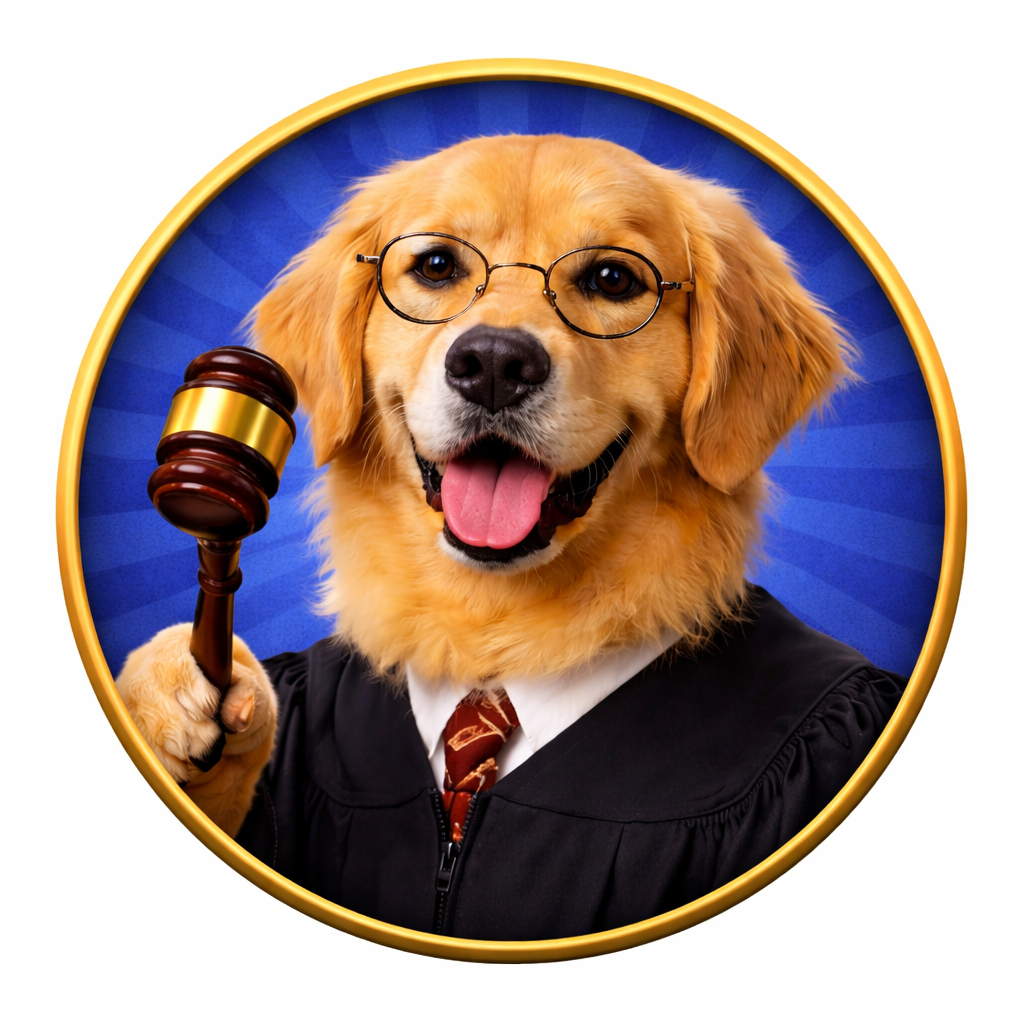



One dog steals a rotisserie chicken off the counter and hides under the bed like a tiny fugitive. Another rings the doorbell, panics at the sound, and then files a dramatic complaint with the entire household. Funny dog stories online work because every dog owner recognizes the defendant, even when the name has been changed to protect the guilty.
That is the real appeal. These stories are not just random pet antics caught on camera. At their best, they turn everyday canine nonsense into a shared language among people who know exactly what it means to find a shredded paper towel trail leading to a very proud suspect.
Why funny dog stories online spread so fast
A lot of internet content gets a quick laugh and disappears. Funny dog stories online tend to stick because they do more than show a silly moment. They give people a familiar setup, a tiny plot, and a clear emotional payoff.
The setup matters. A Labrador caught with frosting on his face is amusing. A Labrador who somehow opened the pantry, rejected the expensive treats, and chose to steal one stale tortilla chip is a character witness for chaos itself. The details make the story memorable, and memorability is what gets shared.
There is also very little barrier to entry. You do not need to understand niche humor, current slang, or a complicated trend format. A dog dragging a sofa cushion through the yard like he just won a civil suit against furniture is instantly funny to almost everyone.
The strongest stories also carry a tiny flash of truth. Dogs are impulsive, expressive, and gloriously bad at covering their tracks. Owners see their own homes in these stories, which is why the comments usually become a second comedy act. The audience is not just consuming the joke. They are adding exhibits from their own households.
The anatomy of a story people actually share
Not every cute dog post becomes a hit. Some get a polite smile and move on. The ones people send to friends usually have a few things working together.
Relatability beats perfection
A polished photo of a dog in a bow tie has its place. But a story about a dog who hears the word “bath” from three rooms away and vanishes with witness protection levels of efficiency feels more personal. People share what feels lived-in.
That is why the best funny dog stories online often include the little domestic details. The chewed slipper. The suspicious silence. The look of absolute innocence from a dog sitting beside a clearly destroyed pillow. Those details make the humor feel earned instead of staged.
A clear point of view helps
Stories land harder when they are told from a distinct angle. Maybe the owner writes like a weary prosecutor building a case. Maybe the dog is framed as an unrepentant criminal mastermind. Maybe the cat appears as an unimpressed expert witness. A point of view turns a moment into a mini performance.
This is one reason themed pet content stands out. A strong format gives repeat visitors something familiar to enjoy while leaving room for fresh misbehavior. Courtroom-style humor works especially well because dogs behave as if rules are optional suggestions, which makes the verdict practically write itself.
Stakes, even tiny ones, make it funnier
The stakes do not need to be serious. In fact, they usually should not be. A dog stealing one sock is cute. A dog stealing the one sock you needed because you are already late for dinner is a complete narrative. Comedy likes pressure, even if the pressure is just mild household inconvenience.
That tension is what transforms a clip or anecdote from “aww” to “send this immediately.” The audience sees a problem, anticipates a disaster, and then gets the payoff.
Why dog owners never get tired of these stories
Dog humor has range. Some stories are slapstick. Some are basically domestic satire. Some are funny because the dog is deeply emotional about something objectively ridiculous, like a leaf touching his paw or a statue existing near the park.
But the deeper reason people keep coming back is emotional permission. Funny pet content lets owners admit that living with dogs is messy, absurd, and occasionally exhausting without sounding ungrateful. It says, yes, your dog is the love of your life and also the reason your sandwich vanished.
That balance matters. A lot of pet owners do not want content that feels clinical all the time. They want to laugh at the familiar mayhem. They want to feel less alone when their dog acts like a small, furry conspiracy theorist every time the vacuum appears.
There is comfort in that. Humor turns frustration into a story worth telling. The dog that wakes you at 5:12 a.m. for no legal reason becomes a recurring character instead of a sleep-related grievance.
What makes online dog humor feel fresh instead of repetitive
This is where many pet accounts lose the case. If every post is just “dogs are silly,” the joke gets old. Funny dog stories online stay fresh when they lean into specificity.
A French bulldog refusing to walk because the sidewalk is wet is mildly amusing. A French bulldog refusing to walk because one single raindrop touched his custom raincoat is a very different level of comedy. It reveals personality.
Freshness also comes from contrast. Big dogs acting delicate, tiny dogs acting like nightclub security, senior dogs behaving like they have seen too much and object to all of it – these opposites make stories pop. The audience is not only laughing at a dog. They are laughing at who that dog seems to be.
There is also a practical side. Repetition works better when the format is stable but the details vary. Think recurring themes such as food theft, suspicious barking, bedtime negotiations, or unauthorized yard excavation. The category is familiar. The incident is new. That keeps the content recognizable without feeling recycled.
The trade-off between candid and overproduced
There is an honest internet law at work here: if a dog looks too coached, the charm can drop fast.
People usually prefer stories that feel spontaneous, even when the storytelling itself is polished. A little structure helps. Clean writing, good pacing, and a strong caption absolutely matter. But if the entire thing feels manufactured, audiences start to suspect the witness has been tampered with.
That does not mean production value is bad. It depends on the format. A stylized series with recurring jokes can work beautifully if the dog still feels like a dog and not a prop. The sweet spot is when the storytelling adds humor without flattening the animal’s real personality.
This is why reaction shots, odd habits, and accidental timing outperform forced costumes so often. People want the sense that the dog is in on the joke by being completely unaware of the joke.
Why comments matter almost as much as the story
Great dog content rarely ends with the post itself. It opens a public hearing.
The comments are where owners confess that their own dogs have committed similar offenses. Someone says their beagle once ate an entire loaf of bread but left the heels. Someone else reports that their husky screams when dinner is ninety seconds late. Suddenly the original story becomes a group project in pet-owner solidarity.
That social layer is a huge reason funny dog stories online outperform generic cute content. Shared laughter builds community faster than polished perfection. It invites participation. It lets people become jurors, witnesses, and survivors of related incidents.
For content brands, that matters. Audiences remember formats that make them feel included. They come back when the tone is distinctive and the door is open for their own stories. A good dog joke gets a laugh. A great one gets testimony.
The best funny dog stories online are secretly about people too
Under the barking, zoomies, and sandwich theft, these stories reflect how people live with pets now. Dogs are family, roommates, emotional support clowns, and occasional household vandals. The humor works because it captures that mix without getting preachy.
It also shows affection without becoming syrupy. The funniest stories are rarely cruel and rarely perfect. They laugh with the chaos, not at the animal. That is a meaningful difference, especially for owners who know the line between harmless mischief and a real behavior issue.
When the humor is warm, specific, and grounded in real life, it lasts. It gives people something better than a disposable meme. It gives them a story they can retell at dinner, text to a friend, or save for the next day they come home to suspicious silence and an overturned trash can.
At Judge Fable Pet Court, that is basically admissible evidence.
The next time a dog on your screen appears guilty of grand theft pizza, furniture sabotage, or unauthorized sock relocation, pay attention to why it makes you laugh. The best stories are not just about what the dog did. They are about the household that will never let the defendant live it down.