


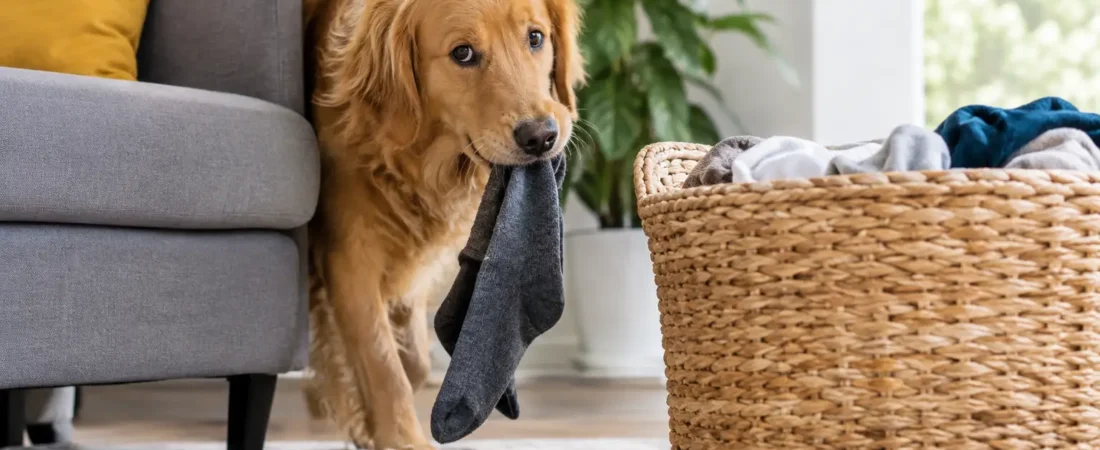
The evidence is usually circumstantial: one suspiciously empty sandwich plate, a toppled trash can, and a dog sitting three rooms away pretending to study the wall. So, why are dogs sneaky? Usually not because they are plotting a household coup. Dogs repeat behaviors that pay off, avoid situations that feel unpleasant, and become remarkably discreet when humans have made their feelings about the crime very clear.
Judge Fable has reviewed the files. The defendant may be a tiny Terrier with a sock collection or a dignified Great Dane who somehow absorbed an entire roast chicken from countertop height. Either way, the motives are more understandable than malicious.
Why Are Dogs Sneaky? It Is Usually Learned
Dogs are excellent observers. They notice where the treats live, which family member leaves a purse unzipped, and exactly how long it takes for you to answer the door. If raiding the kitchen once resulted in a glorious half bagel, the behavior has been rewarded. A dog does not need to steal food every time for the habit to stick. One wildly successful snack heist can keep the case active for weeks.
Then comes the human response. If a dog is yelled at after grabbing a dish towel, they may learn that being near the towel when a person arrives is risky. They do not necessarily learn that stealing towels is forbidden in every context. They may simply become quieter, faster, and more likely to flee under the dining table with their evidence.
That is why a dog can appear to know they did something wrong. The lowered head, averted gaze, crouched body, or slow retreat often reflects your tone, posture, and facial expression in that moment. The so-called guilty look is usually an appeasement signal, not a full confession with a signed affidavit.
Sneaky behavior can be self-rewarding
Some dog behavior needs no human audience to be rewarding. Digging creates interesting smells and textures. Shredding cardboard makes a satisfying sound. Counter surfing can occasionally produce cheese. A Dachshund may excavate beneath the patio chair because tunneling is deeply satisfying, not because it has a grudge against landscaping.
Breed tendencies can shape the style of mischief, but they do not determine a verdict. A Border Collie might quietly relocate shoes, remote controls, and children’s toys into one carefully managed pile because organizing objects is fascinating. A Husky may announce every objection loudly enough for the neighborhood jury. A mixed-breed rescue may be more cautious and wait until the room is empty before investigating the trash. Personality, past experiences, environment, and reinforcement all matter.
The Most Common Motives Behind the Mischief
Food is the leading exhibit in most sneaky-dog cases. Dogs have powerful noses, and human food is often richer, smellier, and more exciting than kibble. If dinner is left within reach, many dogs see an opportunity, not a moral dilemma. Management is not admitting defeat. It is good legal procedure. Put food away, secure the trash, and keep tempting items off counters while you teach better habits.
Boredom is another frequent accomplice. A dog with unused energy may invent work. That can look like opening cabinets, stealing laundry, unstuffing pillows, or conducting a highly destructive inspection of the recycling bin. This is especially common when a dog’s physical needs are met but their brain has had nothing interesting to do.
A young Boxer who spends the afternoon watching for delivery trucks may still need an outlet after the final suspicious van has departed. A sniffy walk, a short training session, a food puzzle, a safe chew, or a supervised game of find-it can redirect that energy. The goal is not to keep a dog entertained every second. It is to give them legal ways to do dog things.
Sometimes a dog acts sneaky because they are worried. Dogs who have been punished for accidents may hide to urinate indoors rather than signal they need to go out. Dogs who fear nail trims may vanish when they hear the drawer open. A dog guarding a stolen item may run away because they expect it to be taken, not because they are trying to be difficult.
That distinction matters. If fear is part of the case, harsher corrections can make the behavior more secretive and more stressful. For recurring anxiety, aggression, guarding, or sudden behavior changes, bring in a veterinarian or a qualified force-free trainer. A medical issue, pain, or changes in hearing or vision can also make a previously easygoing dog behave differently.
How to Handle a Repeat Offender Without Creating a Better Criminal
The strongest strategy is a combination of prevention and practice. First, stop accidental rewards whenever possible. If your dog steals socks, use a closed hamper. If they raid the counter, clear the counter. If they chew shoes, store shoes behind a door. This is not glamorous work, but neither is filing a claim for a destroyed left sneaker.
Next, give your dog an approved alternative. Teach a reliable “leave it” and “drop it” using treats and low-stakes practice, not an emergency standoff over a chicken bone. Teach “place” or “go to bed” while you prepare meals. Reward the dog for settling on a mat, then gradually make the kitchen activity more challenging.
When your dog has something they should not have, resist the dramatic chase scene. Chasing often turns theft into a game, and grabbing can create guarding. Instead, calmly trade for something better. Offer a treat, toss a few pieces of food away from the item if it is safe to do so, or use a cheerful cue your dog knows well. Once the item is recovered, consider how access happened and adjust the setup.
Build enrichment into ordinary days
A busy schedule does not require an elaborate canine enrichment program worthy of a televised trial. Small, consistent activities work. Scatter part of a meal in the yard for supervised sniffing. Hide treats around one room. Rotate safe toys so they stay interesting. Spend five minutes practicing simple cues before dinner.
For high-energy dogs, physical exercise matters, but it is not the whole ruling. A long walk can tire legs while leaving a clever dog ready to cross-examine the pantry. Sniffing, problem-solving, chewing, and training often help dogs settle in ways a fast walk alone does not.
Make the right choice easy
Dogs succeed faster when the environment does some of the work. If guests are coming over, set your dog up with a chew in a quiet room before appetizers appear at nose level. If your dog steals laundry during work calls, provide a toy nearby and keep the bedroom door shut. If your dog digs at the fence, supervise yard time and offer a designated digging area filled with loose soil or sand.
There is a trade-off: management can feel less satisfying than catching your dog in the act and delivering a courtroom speech. But management prevents rehearsal, and every prevented rehearsal makes the old habit less practiced. Training then has room to take hold.
When Sneaky Behavior Deserves a Closer Look
A few secretive habits are normal. Many dogs will investigate an unattended plate, steal a sock, or disappear when they hear the bathwater running. The concern rises when behavior is sudden, intense, destructive, or tied to fear.
Watch for hiding more than usual, changes in appetite, accidents in a reliably house-trained dog, guarding, panic when left alone, or compulsive chewing and licking. Those clues do not prove one cause, but they are worth taking seriously. Your dog may need more than a firmer household routine.
The fairest verdict is this: most sneaky dogs are resourceful dogs working with the information and opportunities available to them. Close the snack loopholes, reward the behavior you want, and give your resident rascal a legitimate job. The court finds that a dog peacefully working on a chew while dinner is prepared is not just well behaved. They are expertly represented.