

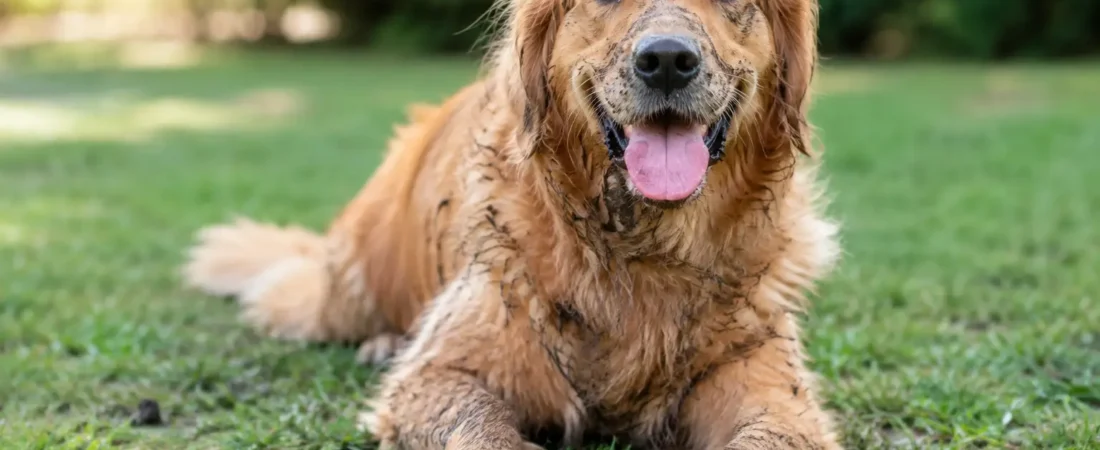
A mud-splattered muzzle. A suspiciously frosting-covered paw. A Bichon Frise emerging from the bathroom wrapped in toilet paper like it just lost an argument with the Constitution. If you want to know how to photograph messy dogs, the first rule is simple: do not wait for the defendant to look respectable. The evidence is strongest before the cleanup crew arrives.
Messy-dog photos are not about perfect poses or spotless backdrops. They are about catching the expression that says, “I have no idea how the spaghetti got on my ear,” while every available fact says otherwise. With a little preparation and fast reflexes, you can get photos that preserve the chaos without making your dog miserable or your carpet worse.
Start With the Scene, Not the Cleanup
The urge to grab a towel immediately is understandable. Your white couch has rights, too. But if your dog is safe and the mess is harmless, take 20 seconds to document the moment before beginning cleanup.
Pause and look for the story. A muddy Miniature Schnauzer sitting proudly beside the hole it excavated has a better narrative than a close-up of dirt alone. A Great Dane with an empty cereal box perched on its head is funnier if the scattered flakes and enormous guilty eyes are both in the frame. Include enough of the scene to make the accusation clear.
That said, safety outranks content every time. Skip the photo if the mess involves a toxic food, medication, broken glass, cleaning products, choking hazards, an injured dog, or something your dog should not keep licking. Remove the danger, call your veterinarian or poison-control resource when needed, and hold all court proceedings later.
Use Light That Makes the Evidence Clear
Natural window light is your most reliable co-counsel. Bring your dog near a bright window or open door, with the light falling across the side of their face. This reveals the texture of mud, whipped cream, grass, or whatever mysterious substance is currently under investigation without making the image harsh.
Avoid placing your dog directly in front of a bright window. Their face may turn into a dark silhouette, which is dramatic but not ideal when the key evidence is peanut butter on the eyebrows. Instead, turn them slightly toward the light and tap their eye or face on your phone screen to set focus and exposure.
Outside, overcast weather is excellent for messy portraits. Clouds soften the light, meaning you can photograph a muddy Australian Shepherd without deep shadows hiding the details. In direct midday sun, move into open shade, such as beside a garage or under a porch. Dappled shade under trees can create strange bright patches across the face, so inspect the shot before declaring victory.
How to Photograph Messy Dogs Before They Move
Most dogs do not sit patiently while you adjust a lens, especially after a spirited encounter with a puddle. Work fast and choose settings that favor a sharp shot over a technically fancy one.
If you use a phone, open the camera before you approach. Use burst mode or hold the shutter method your phone supports to capture several frames in a row. Dogs blink, turn away, shake their heads, and suddenly remember an appointment on the other side of the yard. A burst gives you options.
With a camera, use continuous autofocus and a fast shutter speed. Around 1/500 second is a good starting point for a dog sitting but wiggling; use 1/1000 second or faster for zoomies, head shakes, or a wet Labrador mix launching itself across the lawn. Raise ISO when necessary. A slightly grainy photo is far preferable to a beautifully lit blur of alleged misconduct.
For quick reference, these settings generally work well:
- Indoor window-light portrait: wide aperture, continuous autofocus, and a shutter speed of at least 1/250 second.
- Outdoor muddy-action shot: 1/1000 second or faster, continuous shooting, and automatic ISO if light keeps changing.
- Phone close-up: tap the nearest eye to focus, lower exposure slightly if white fur is blowing out, and use burst mode.
- Post-bath towel chaos: stand near a window, keep the background simple, and shoot several frames as the towel inevitably becomes a chew toy.
Get Low Enough for the Guilty Face
The funniest messy-dog photos usually happen at dog level. Crouch, kneel, or sit on the floor so you can photograph their face straight on. This makes a tiny Dachshund’s dirt-covered snout feel wonderfully important and lets a giant Cane Corso look like a very serious witness with very questionable paws.
Focus on the eyes first. Dogs communicate the whole case through their faces: wide-eyed innocence, total confusion, wild delight, or the blank calm of a repeat offender who would absolutely raid the compost again. If the mess is on their muzzle, chest, or paws, take one wider image and then move in for a close-up.
Do not crowd your dog with the camera. Some dogs dislike a phone inches from their nose, and an already excited dog may interpret your crouching as an invitation to leap directly into your lap. Use zoom only sparingly on phones, since digital zoom can reduce image quality. Instead, take one step closer if it is safe and your dog remains comfortable.
Give the Photo a Charge Sheet
A messy dog is funny. A messy dog beside the apparent source of the mess is a complete case file.
Look for simple props already in the scene: the overturned planter, the sprinkler, the shredded delivery box, the empty treat bag, or the trail of toilet paper leading down the hallway. You do not need to stage a complicated set. In fact, the best photos feel like the moment was caught mid-confession.
Keep backgrounds as uncluttered as possible when you can. Move one laundry basket out of frame, close the toilet lid, or shift your angle so the dog is against a plain wall instead of a kitchen counter piled with mail. A little cleanup behind the defendant makes the actual chaos easier to read.
Try a three-photo sequence if your dog will tolerate it: one wide shot that establishes the scene, one portrait of the face, and one detail shot of the evidence. That sequence works beautifully for a social post, a family group chat, or a future scrapbook titled Incidents We Somehow Survived.
Prompt, Don’t Pose
Messy moments rarely need a formal “sit.” Your dog’s natural behavior is usually the best part. Make a familiar sound, say their name once, or hold a treat near the lens to bring their eyes toward the camera. Then take the photo quickly.
Be careful with food rewards if the mess is food-related. A dog who has just stolen a tray of brownies does not need a follow-up treat, and a dog guarding a coveted find should not be pressured for a picture. For a harmless mud situation, praise and a cheerful voice are usually enough.
If your dog looks worried, freezes, lip-licks repeatedly, turns away, or tries to escape, end the session. Humor should never come at the dog’s expense. The best courtroom exhibits show a comfortable dog being delightfully dog-like, not a stressed defendant being asked to perform.
Photograph the Shake, Then Protect Your Gear
A wet-dog shake is photographic gold, especially when a Spaniel has just discovered that every puddle is a personal spa. It is also an efficient way to decorate your lens, phone, clothing, and nearby walls with water and mud.
Give yourself distance and use burst mode. Aim for a side angle so you can capture flying droplets against a darker background. If you are using a camera, consider a protective filter and keep a clean microfiber cloth nearby. With a phone, a simple case and a quick wipe afterward may be all the defense counsel you need.
Never encourage your dog to shake near people, electronics, or an indoor room that cannot handle collateral damage. Some evidence is best observed from the doorway.
Edit Lightly and Save the Story
A quick edit can make the scene clearer. Brighten shadows around the eyes, crop out distracting clutter, and add a little contrast if the mud blends into dark fur. Resist smoothing every speck away or correcting the glorious green tint of freshly rolled grass. The mess is the point.
Save both the polished favorite and one imperfect outtake. The blurry tail, the tongue mid-lick, or the frame where your dog looks deeply offended by the allegations may become the family favorite. Judge Fable Pet Court has reviewed the record and finds that perfection is rarely as funny as the truth.
When the photo is safely captured, clean your dog promptly, check between toes and around ears, and offer a calm reset. Then keep the picture. Years from now, you may not remember the exact day a muddy mutt redecorated the hallway, but one excellent guilty face will bring the whole case rushing back.