


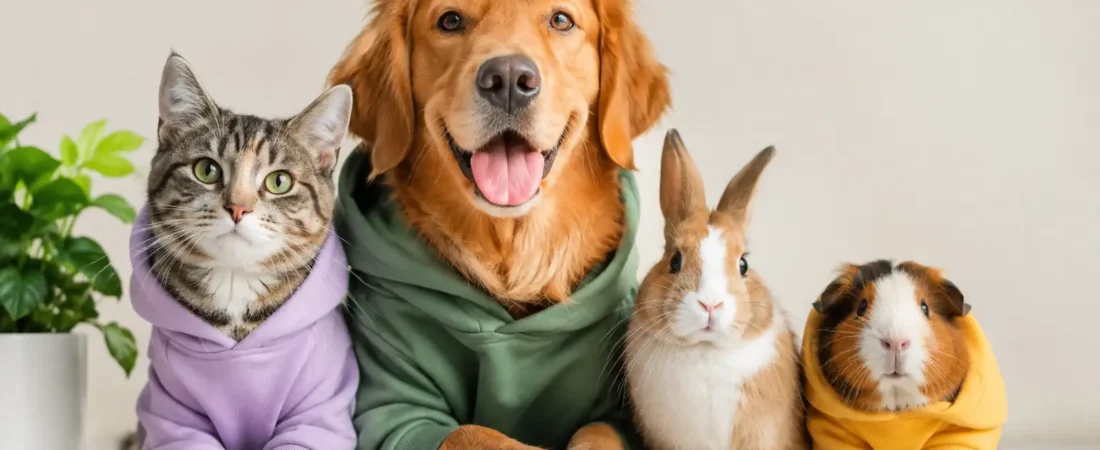
A dachshund escapes beneath the fence. A husky files a loud and entirely unsupported appeal. A mixed-breed puppy treats a roll of toilet paper as privileged evidence. People do not share those moments merely because they contain dogs. They share them because the behavior feels familiar, the joke lands quickly, and the account gives the chaos a point of view.
That is the central case in the future of pet creator brands: cute animals may earn a pause, but recognizable characters and a consistent world earn a return visit. The next durable pet brands will not be built on one lucky video of a corgi in sunglasses. They will make followers feel like regulars who know the judge, the rules, the recurring offenses, and exactly why the defendant is almost certainly guilty.
Viral pets are not automatically lasting brands
Pet content has always had an unfair advantage. It is emotionally immediate, broadly relatable, and capable of interrupting even the most determined doom-scroll with one poorly timed zoomie. But the volume of pet content now creates a problem for creators: adorable is everywhere.
A single viral post can bring a rush of views. It can also bring an audience that remembers the clip but not the creator, the pet, or the reason to come back. That is not failure. Reach matters. But reach without a recognizable identity is like a courtroom with no docket, no bailiff, and 900 dogs barking objections at once.
The brands that endure give their content a repeatable frame. A pet may be the star, but the brand supplies the meaning. Is the cat a tiny interior-design tyrant? Is the rescue mutt the neighborhood mayor? Is the standard poodle a self-appointed life coach with deeply unreasonable expectations? The answer shapes captions, series ideas, audience comments, merchandise, partnerships, and the kind of stories followers want next.
The future of pet creator brands favors worlds, not posts
The strongest creator brands are beginning to operate less like feeds and more like small entertainment franchises. Their content has recurring formats, familiar language, visual cues, and a clear emotional promise. Followers know what kind of laugh, comfort, or useful advice they will receive before they press play.
That does not require elaborate sets or a full production crew. It requires editorial discipline. A creator with a boxer who considers every delivery truck a federal threat can build a recurring “security briefing” series. A Border Collie who reorganizes the family room can become director of operations. The dog is real, the behavior is grounded in something pet owners recognize, and the framing turns a moment into a story.
Judge Fable Pet Court works because the courtroom is not a costume placed on random dog photos. It is the operating system. Snack theft becomes evidence. A chewed slipper becomes Exhibit A. Followers become the jury. That structure gives the brand more runway than a meme because it can hold hundreds of different cases without losing its identity.
Consistency is not repetition
There is a meaningful difference between repeating a joke and repeating a premise. The first gets stale. The second becomes a comfort.
A pet creator should keep the recognizable elements that make the audience feel at home, then vary the defendant, situation, and stakes. One week, a Great Dane accidentally sits on the evidence. The next, a Bichon Frise leaves the bathroom wrapped in toilet paper and claims a thorough investigation was underway. The world remains familiar, while the case remains fresh.
This is also where breed diversity matters. Audiences enjoy quirks, but they notice when every joke relies on the same few internet-famous breeds. A brand with a broad cast of pets feels more like the real world of dog ownership: loud, muddy, varied, and full of surprise. Specificity is funny when it is affectionate, not when it turns a breed into a one-note punchline.
Community will matter more than raw follower counts
The next shift is not just about better characters. It is about participation. Pet owners do not want to be passive observers forever. They want to submit the photo of their terrier caught halfway into the pantry. They want to vote on the verdict. They want to see someone else confess that their dog also barks at a leaf with professional intensity.
Comments, direct messages, polls, email replies, and audience submissions are not side quests. They are where a pet creator brand learns its audience’s shared language. A comment section full of people saying “my dog is also on parole” is more valuable than a large audience that taps like and disappears.
Email deserves special attention here. Social platforms are excellent court reporters, broadcasting the day’s most dramatic proceedings. But an email list is where a brand can welcome regulars, invite submissions, test new series, and build a relationship that is not dependent on an algorithm deciding whether a beagle wearing a raincoat is culturally significant this afternoon.
The trade-off is that community takes care. Asking for stories means reading them. Inviting votes means occasionally letting the jury surprise you. A creator cannot claim warmth while treating followers as a content mine. The best communities feel noticed because they are noticed.
Trust will separate entertainers from opportunists
As pet creator brands grow, the pressure to monetize arrives quickly. Pet owners buy toys, beds, treats, grooming tools, travel gear, and enough puzzle feeders to suggest their dog is preparing for graduate school. Recommendations can be genuinely useful. They can also erode trust when every ordinary moment becomes a sales pitch.
The future belongs to creators who make the distinction clear. A product should solve a real problem, fit the creator’s usual content, and be presented with honest context. A chew toy may be excellent for a determined power chewer and a terrible choice for a tiny senior dog. A car restraint may be helpful for road trips but irrelevant for a pet who never rides along. Good recommendations include those limits.
Disclosure is part of the relationship, not an annoying footnote. If a creator earns from a recommendation, say so plainly. If an item was gifted, say that too. Pet owners are not opposed to brands making money. They are opposed to feeling that their affection for animals has been cross-examined by a hidden sales department.
Creators will also need restraint around health and behavior claims. Humor can frame a problem, but it should not minimize one. A dog who suddenly becomes destructive, anxious, aggressive, or withdrawn may need a veterinarian or qualified behavior professional, not a punchline about being a repeat offender. The best pet brands know when a joke is enough and when the court should refer the matter to an expert.
Short-form video is the front door, not the whole house
Short videos will continue to introduce pets to huge audiences. They are quick, expressive, and ideal for a dog caught carrying a forbidden rotisserie chicken through the living room. Yet brands that build only for short-form risk becoming interchangeable, especially as trends accelerate and platforms change their rules.
A healthier content mix gives every idea more than one life. A funny case can become a short video, a captioned image, an audience poll, an email feature, and a longer story with practical advice on preventing the same household crime. Not every post needs to appear everywhere in identical form. The point is to build an owned library of ideas instead of renting all attention from one feed.
Longer content also gives personality room to breathe. It can explain why enrichment helps curb boredom-driven mischief, how to manage counter surfing, or what to pack for a dog-friendly trip, without suddenly sounding like a textbook written by someone who has never stepped barefoot on a squeaky toy at 2 a.m.
The winning pet brands will make people feel seen
The future is not a contest to find the most photogenic pet or chase every audio trend before it expires. It is a test of whether a creator can turn everyday animal behavior into a recognizable emotional experience: affection, relief, laughter, solidarity, and the comforting knowledge that someone else’s dog has also made a highly questionable decision.
Build a character people can describe to a friend. Create a world that welcomes repeat visits. Give the audience a role beyond applause. Then protect their trust when money enters the room. The verdict is straightforward: the pet may get people through the door, but the brand is what convinces them to stay for the next case.