


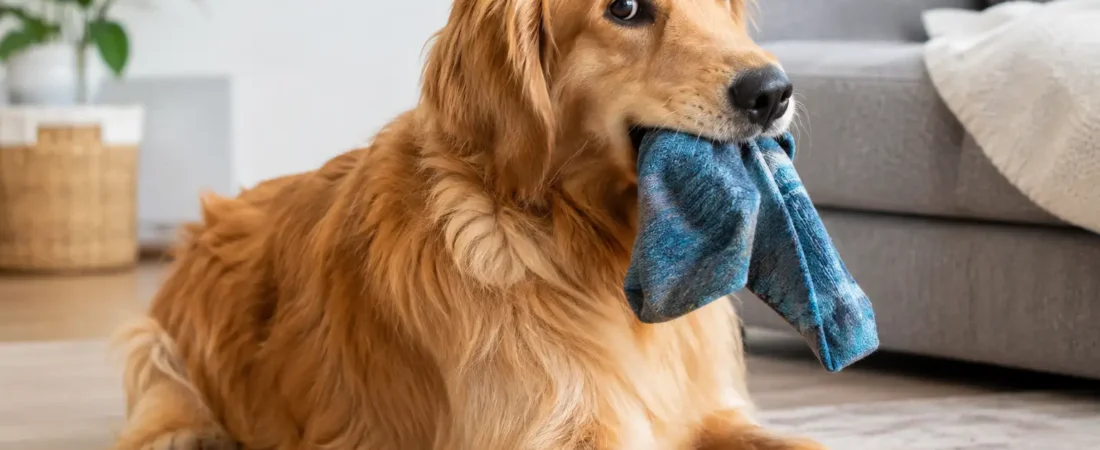
The missing TV remote was last seen near the sofa. The left slipper vanished after breakfast. Then, beneath a blanket in the spare bedroom, you find both items alongside a dryer sheet, a crumpled receipt, and one very pleased-looking Miniature Schnauzer. The question of why dogs hide stolen items has officially entered the court record.
Most dogs are not plotting household chaos with malicious intent, although the evidence can feel compelling. Hiding things is usually a normal canine behavior with an inconvenient choice of valuables. Your dog may be following instincts around saving resources, seeking comfort, starting a game, or avoiding the possibility that you will take a prized object away.
The good news is that you can usually reduce the behavior without turning every dropped sock into a high-stakes police operation. The key is figuring out what your particular defendant gets from the crime.
Why Dogs Hide Stolen Items in the First Place
Dogs do not view your belongings through the same lens you do. A shoe is not a shoe to a dog. It is a strong-smelling, chewable, portable object saturated with the scent of their favorite human. A remote has buttons, a wallet carries interesting outdoor smells, and a child’s stuffed animal may feel wonderfully soft to carry.
For some dogs, the urge is rooted in an old survival instinct: valuable things should be saved for later. Wild canids may cache excess food, and domestic dogs can show a milder version of that habit by carrying prized items to a private spot. A Dachshund who burrows a dental chew under a blanket is not being dramatic. She is running a very small, very determined storage facility.
Stolen objects can also feel more valuable precisely because they are hard to get. If you immediately chase your dog whenever they grab a sock, the sock may become the centerpiece of an exciting game. The item is not just laundry anymore. It is evidence, leverage, and an invitation to sprint through the hallway at top speed.
The Scent Connection
Your scent is reassuring to your dog. Shoes, socks, pillows, hats, and laundry are frequent targets because they smell intensely like you. A dog who takes one of these items to their bed may be seeking comfort, especially during a schedule change, after a move, or when left alone.
This does not automatically mean your dog has separation anxiety. Many relaxed dogs simply enjoy having your scent nearby. But if the stealing and hiding happens mainly when you leave, along with pacing, barking, drooling, destructive chewing, or accidents indoors, the case deserves a closer look with your veterinarian or a qualified behavior professional.
Resource Guarding Can Be Part of the Case
Some dogs hide objects because they expect someone to take them. If your dog freezes, hovers over a stolen item, runs away when approached, growls, or snaps when you reach for it, do not treat it as stubbornness. Those behaviors can signal resource guarding.
A dog who has learned that humans grab treasures out of their mouth may become more determined to stash them. Punishment can make this worse by confirming that people near valued objects are bad news. In Judge Fable’s court, growling is not a confession of guilt. It is useful testimony that your dog feels uncomfortable.
Boredom, Stress, and the Need for a Job
A clever, energetic dog can turn item theft into a self-assigned enrichment program. Border Collies, Poodles, Australian Shepherds, and plenty of determined mixed-breed dogs may notice that relocating household objects creates a satisfying task. The behavior is not limited to busy breeds, though. Any dog with too little exercise, play, sniffing, or mental stimulation may invent a hobby that inconveniences the household.
Stress can produce similar behavior. Visitors, construction noise, a new baby, another pet, or an unpredictable routine may make a dog seek a quiet hiding place and something familiar to hold. The location of the stash can be revealing. Under a bed, behind a chair, or in a crate often suggests your dog is looking for privacy or security.
What the Stash Says About Your Dog
Look at the objects and the timing before deciding on a solution. A dog who hides only food, chews, and treats is probably caching resources. A dog who steals worn socks may be drawn to scent. A dog who grabs the remote while you are on a work call may have learned that theft earns instant attention.
The location matters too. If your dog carries items to their bed and settles down, comfort or possession may be the goal. If they parade the item in front of you, then bolt when you stand up, you may have an accidental chase-game specialist. A Husky who argues loudly while carrying your glove away may be requesting cross-examination, but the training plan is still the same: make the right choices easier and more rewarding.
Do not overlook medical changes. Sudden, unusual scavenging, obsessive chewing, increased appetite, or behavior that seems out of character warrants a veterinary conversation. Dogs can sometimes eat nonfood items, a dangerous condition called pica, and swallowed objects can cause intestinal blockages.
How to Stop the Secret-Stash Habit
The fastest improvement usually comes from management. Put tempting items away while you teach better habits. Closed hampers, shoes in a closet, child gates, lidded trash cans, and a clear coffee table reduce opportunities for repeat offenses. This is not surrendering to your dog. It is preventing rehearsal of a behavior that keeps paying off.
Then give your dog legal alternatives that meet the same need. If they like carrying things, offer a soft toy designated for carrying. If they love chewing, provide appropriate chews selected for their size and chewing style. If they stash food, consider feeding part of a meal in a puzzle toy or scatter-feeding in a safe area so they can use their nose and problem-solving skills.
A daily walk is helpful, but many dogs need more than mileage. Sniff walks, short training sessions, food puzzles, tug, fetch, and supervised play can lower the odds that your dog will seek entertainment in your underwear drawer. The best activity depends on the dog. A young Boxer may benefit from energetic play and impulse-control training, while an older Shih Tzu may prefer several gentle sniffing games and a chew on a cozy bed.
Teach a Trade, Not a Chase
If your dog has a stolen item, resist the urge to run after them. Chasing often makes the item more valuable and teaches your dog to flee faster next time. Instead, calmly approach with something better, such as a small piece of chicken or a favorite treat.
Offer the treat near your dog without grabbing the object. When they release the item, say a cue such as “drop,” reward them, and then pick up the item. For safe, low-value objects, occasionally give the item back after the reward. That small detail teaches your dog that releasing something does not always mean permanent loss.
Practice this skill first with a toy your dog already enjoys. Trade toy for treat, praise warmly, then return the toy. Keep sessions brief and easy. Once your dog understands the game, you will have a far better response ready for the day they acquire a dish towel by questionable means.
Reward the Behavior You Want to See
Catch your dog choosing their own toy, relaxing with a chew, or settling in their bed while you fold laundry. Quiet praise or a treat at those moments helps build a better default behavior. Dogs repeat what works, and calm possession of approved items should be more profitable than grand theft slipper.
If attention is the reward, make sure your dog gets plenty of it before they create a crisis. A few minutes of training, a game in the yard, or a sniffing break between meetings can matter more than a dramatic response after the theft.
When Stolen Items Become a Safety Issue
Some items are not merely annoying. They require prompt action. Keep medications, batteries, nicotine products, gum containing xylitol, sharp objects, underwear, socks, and small children’s toys out of reach. These objects can be toxic, cause choking, or create an intestinal obstruction if swallowed.
If you believe your dog swallowed a dangerous item, call your veterinarian or an emergency veterinary clinic right away. Do not induce vomiting unless a veterinary professional specifically tells you to do so. A missing battery is not a case for waiting to see whether the defendant feels remorse.
For guarding, snapping, repeated ingestion of nonfood items, or anxiety-driven theft, bring in qualified help. A force-free trainer with behavior experience or a veterinary behavior professional can create a plan that protects both your dog and everyone sharing the home.
Your dog is not hiding stolen items to spite you. More often, they are trying to feel safe, have fun, keep a treasure, or make the afternoon slightly more interesting. Protect the contraband, provide better outlets, and teach trades generously. With a little practice, the only thing found under the bed may be dust, one approved chew, and a defendant with an excellent future ahead of them.