


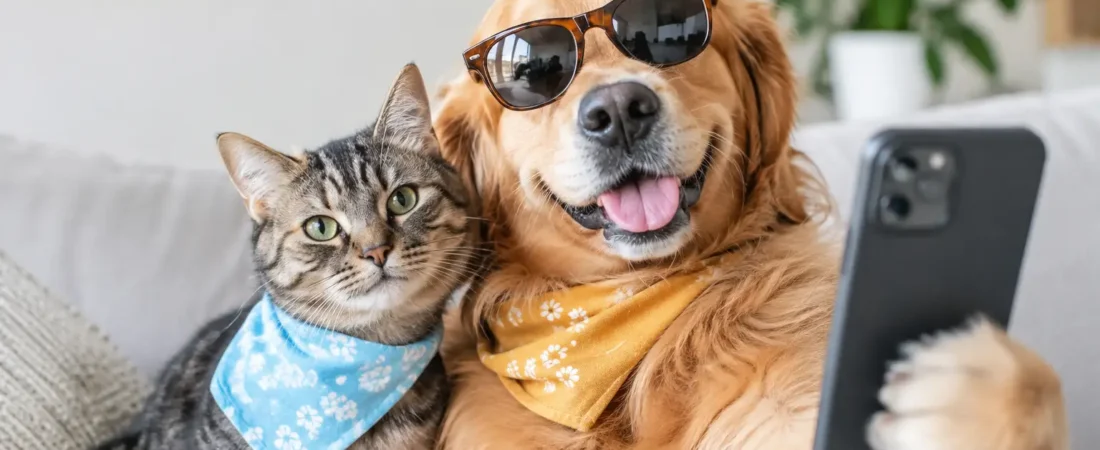
The evidence is everywhere: a Dachshund in a raincoat has better comedic timing than half the internet, a Husky can turn a denied walk into a full press conference, and one suspiciously quiet cat can hold an audience captive for 45 seconds. Animal influencer trends are no longer built on a single cute photo and a clever caption. The pets winning attention now feel like characters with a point of view – even when that point of view is clearly “the couch belongs to me.”
For pet owners, that is good news. The most engaging animal accounts are becoming less polished, more personal, and much more honest about the glorious chaos of sharing a home with an animal. Judge Fable has reviewed the evidence. The court finds that personality is now the main exhibit.
Animal Influencer Trends Are Getting More Personal
The era of perfectly posed pets has not disappeared, but it has company. Audiences still appreciate a well-dressed Poodle or a Maine Coon posed like a Victorian landowner. What makes people stop scrolling, though, is a recognizable personality and a story that continues from post to post.
A Border Collie who “manages” the household, including unauthorized shoe relocation, gives viewers a reason to return. So does a senior Chihuahua with firm opinions about bedtime, or a mixed-breed rescue learning that the dishwasher is not, in fact, a personal betrayal. The animal becomes more than a cute face. It becomes the lead in an ongoing sitcom.
That shift favors creators who notice the small, repeatable quirks of their pets. Maybe a Boxer treats every delivery driver as a highly suspicious witness. Maybe a Bichon Frise keeps leaving the bathroom covered in toilet paper, claiming investigative necessity. The best recurring bits are rooted in behavior the pet already does, rather than a costume or trend forced onto them.
There is a practical reason this works: personality gives an account structure. Viewers understand the joke quickly, recognize it later, and feel included when the pet’s behavior escalates. The alleged offense becomes a familiar case file.
Less Perfection, More Real Pet Life
A major change in pet content is the rise of the unvarnished moment. People still enjoy aspirational content, especially travel, grooming, training wins, and beautifully designed pet spaces. But they also want to see the muddy paws after the hike, the failed attempt at a clean kitchen, and the Great Dane who accidentally sat on the evidence.
This does not mean every post needs to be messy or unedited. It means audiences can spot the difference between a genuine moment and an animal being pushed into a performance. A funny clip of a dog refusing to leave the park feels delightful because it is familiar. Repeating the same setup until the dog looks stressed feels less like comedy and more like a mistrial.
For creators, the sweet spot is candid content with a clear point of view. A short video can be lightly edited, captioned, and framed as a story without pretending every day with a pet is picture-perfect. Pet owners tend to share content that makes them say, “Mine does that too,” not content that makes them feel their own home is failing an inspection.
The rise of the imperfect expert
Pet audiences are also responding to creators who share what they are learning rather than presenting themselves as flawless authorities. A first-time dog owner documenting leash-training progress, for example, can be more useful than someone claiming they solved every behavior issue in three days.
Honesty matters here. Training setbacks, picky eating, aging-pet adjustments, and rescue decompression are real parts of pet ownership. They should be discussed with care, without turning an animal’s discomfort into entertainment. When health or serious behavior concerns are involved, a creator can share their experience while making clear that individualized advice belongs with a veterinarian or qualified trainer.
Welfare Is No Longer a Side Note
The strongest animal influencer trends include a higher expectation for animal welfare. Fans are paying attention to body language, handling, workload, and whether a pet seems comfortable participating. That is a positive development, even if it makes the comment section feel like a jury with very strong opinions.
A pet should be able to opt out. If a dog turns away, freezes, pants heavily when it is not hot, repeatedly lip-licks, or tries to leave, the camera can wait. A cat who dislikes costumes does not need a costume career. A rabbit does not need to be passed around for a reaction video. The content is never worth more than the animal’s comfort.
This is especially relevant as brand partnerships grow. A paid campaign should fit the pet’s normal routine and the creator’s actual life. Viewers can tell when a product is being used naturally, and they can also tell when a sleepy senior dog has somehow become the spokesperson for an extreme agility obstacle course.
Clear disclosure helps, too. It protects trust and keeps recommendations from feeling like a surprise cross-examination. If a creator genuinely likes a product, saying so plainly is more persuasive than an overly dramatic sales pitch.
Short Video Still Leads, but Story Carries It
Short-form video remains the fastest route to discovery, particularly when the first second shows the situation clearly. A Husky staring into the camera after being told “no more cheese” needs little explanation. A fast caption can supply the charge: Defendant contests the snack limitation.
Yet a viral clip alone is not a long-term strategy. The accounts that last pair quick entertainment with a recognizable format. That might be recurring “court cases,” daily voiceovers, training diaries, neighborhood patrol reports, or before-and-after grooming reveals. The format gives followers a reason to remember the account after the algorithm moves on to its next shiny object.
Sound trends can help reach, but they should not dictate every post. A pet’s real bark, weird grumble, or dramatic sigh may be more distinctive than the audio everyone else is using that week. Originality is not always louder. Sometimes it is a Corgi making eye contact while standing beside a mysteriously empty treat jar.
Niche Communities Are Beating Generic Cute
Broad appeal is wonderful, but specific communities often create deeper loyalty. There is room for city dogs navigating elevators, hiking dogs with trail etiquette, senior pets, tripod pets, fostering journeys, breed-focused humor, and households managing multiple animals with competing legal claims to the sunny patch on the floor.
The key is not to reduce an animal to a stereotype. A Dachshund may enjoy tunneling beneath blankets, but it is still an individual with its own habits. A rescue mutt may not have a tidy breed label at all, which can be part of the charm. Specificity should make a pet feel more real, not more boxed in.
For pet brands, this creates an opportunity to collaborate with creators whose audiences genuinely overlap with their purpose. A travel accessory may make sense for a road-trip-loving Australian Shepherd household. A calming enrichment item may fit a creator who regularly shares rainy-day games for an energetic Standard Schnauzer. Relevance beats follower count when the goal is trust.
What Pet Creators Should Avoid
Not every trend deserves a court stamp of approval. The fastest way to lose credibility is to chase a joke at the pet’s expense. Startle pranks, unsafe food challenges, forced costumes, staged “rescues,” and content that encourages poor behavior for views should be dismissed without parole.
Creators should also be wary of making every interaction transactional. Followers enjoy recommendations, but they do not want an account that turns into a nonstop commercial between clips of a dog being adorable. A useful balance depends on the audience and posting frequency, but entertainment, community, and genuine information should remain the main event.
Finally, avoid copying another pet’s entire persona. The internet has room for more than one talking dog, courtroom pup, adventure cat, or elegant bird with an alarming vocabulary. Borrowing a format is normal. Borrowing the exact voice, catchphrases, and character beats is a weak defense.
The Real Advantage: A Pet People Can Root For
The most durable animal influencer accounts do not need their pets to be perfect, fashionable, or constantly performing. They give people a reason to care about the animal behind the clip. A follower who has watched a shy rescue gain confidence, a senior dog enjoy a new routine, or a mischievous puppy mature into a respectable citizen is invested in the story.
That is where the next wave of pet content is headed: toward familiar characters, responsible humor, and tiny everyday moments treated with the gravity of a courtroom proceeding. Keep the camera handy, respect the defendant’s boundaries, and remember that the best evidence is usually what your pet was doing before you tried to make content at all.