


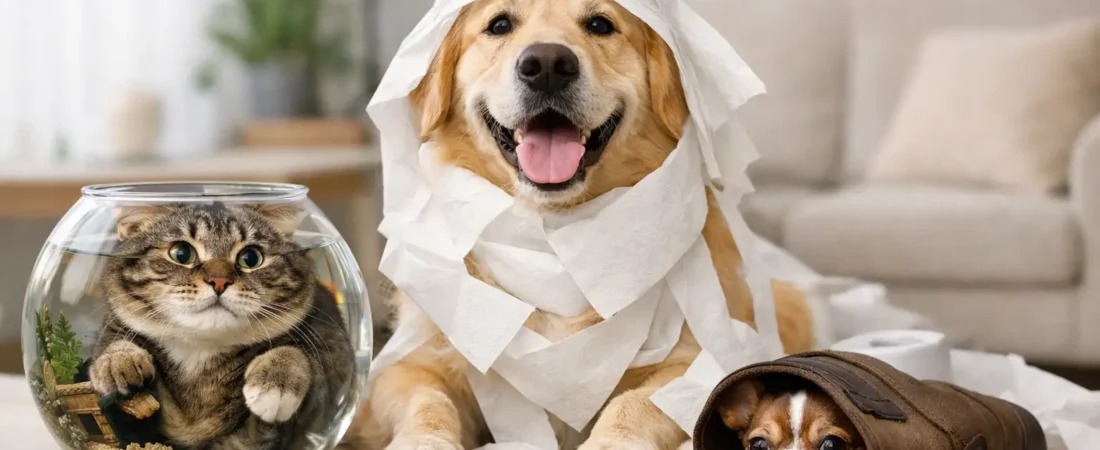
One minute your dog is asleep in a sunbeam. The next, he is sprinting through the house with a dinner roll, a pillowcase, and the expression of a man who fears no law. That is why funny pet cases never run out of material. Pets are tiny domestic outlaws with excellent timing, zero shame, and a real gift for making ordinary life feel like a courtroom drama no one asked for but everyone wants to watch.
The reason these stories land so well is not just that pets do weird things. It is that they do weird things with conviction. A cat knocks a glass off the counter while making eye contact. A dog steals one sock from six different pairs and builds a private collection under the bed. A puppy treats the hallway like a racetrack every night at 9:17 p.m. These are not random events. In the court of public opinion, they are repeat offenses.
Why funny pet cases hit so close to home
The best pet comedy works because it is specific. Most owners do not need a grand tale about an unusually dramatic animal. They need a story about a beagle who opened a pantry, ate half a loaf of bread, and then looked stunned that consequences existed. That feels familiar.
Relatability is the whole case file. People share these stories because they recognize their own household chaos in them. If you have ever found shredded paper in the living room and watched your dog suddenly become deeply interested in a wall, you know the script. The humor comes from the gap between what pets did and how seriously they appear to defend themselves.
There is also a comforting side to it. Funny pet cases remind owners that mischief is common, not a personal failure. Plenty of well-loved, well-cared-for pets still steal food, ignore expensive beds, and behave like they have entered a witness protection program the second you say, “What is in your mouth?”
The usual defendants in funny pet cases
Some pet crimes are classics because they happen in nearly every home. Counter surfing has been a top offense for generations. So has unauthorized trash inspection, couch destruction, mystery barking, and the selective hearing that appears the moment a recall cue is issued.
Dogs usually build their case around enthusiasm. They are not trying to be villains. They are following a scent, chasing excitement, or making one bad decision at full speed. Cats, meanwhile, often operate with a different legal strategy. Their actions suggest premeditation. If a cat shoves your pen onto the floor at 3 a.m., it can feel less like an accident and more like a message.
Then there are the niche but unforgettable incidents. The dog who only steals left shoes. The cat who screams before entering every room. The senior pet who has decided that 4:45 a.m. is breakfast o’clock and has no interest in appeals. These details are what turn ordinary pet behavior into memorable content people retell for years.
Why pets do ridiculous things even when they are loved to bits
Behind most funny pet cases, there is a very normal explanation. Boredom is a big one. A dog with extra energy will create his own entertainment, and his standards may be alarmingly low. That can mean digging in the yard, redecorating the couch cushions, or turning your mail into confetti.
Attention is another motive. Pets are excellent pattern learners. If stealing a dish towel gets the whole family to stand up and yell the dog’s name, that behavior may become a favorite hobby. From the pet’s perspective, this is less criminal intent and more successful audience engagement.
Stress and routine changes can also produce behavior that looks funny from the outside but deserves a little context. A new baby, a move, visitors, or schedule disruptions can make pets act out. Not every absurd habit is a joke. Sometimes the defendant needs enrichment, clearer structure, or a quick check-in with the vet if the behavior changes suddenly.
That is where the trade-off comes in. It is fun to laugh at pet antics, and you should. But it also helps to ask whether the behavior is harmless comedy, a training gap, or a sign your pet needs something different.
Turning household chaos into stories worth sharing
A truly good pet story has three things: a recognizable offense, a dramatic detail, and a reaction shot. The offense might be sock theft. The dramatic detail is that the sock was stolen during a Zoom meeting. The reaction shot is your dog freezing in the hallway with one sock in his mouth and a face that says, “I reject the premise of this investigation.”
People do not share funny pet cases just because something naughty happened. They share them because the moment has personality. Owners love assigning motives, building fake alibis, and describing tiny crimes in absurdly serious language. That framing makes everyday pet behavior more entertaining without turning mean or judgmental.
It also helps that pets are naturally expressive. Even the guilty face, which is often more about reading human body language than feeling true remorse, has become part of the mythology. A lowered head, side-eye, and suspicious silence can send a whole comment section into session.
When a funny pet case is actually a training clue
Some of the best laughs come with a useful lesson tucked inside. If your dog steals food constantly, management matters more than courtroom outrage. Keeping counters clear, using baby gates, and teaching a solid “leave it” can reduce repeat offenses. The joke is better when it is not happening every single day.
If your pet destroys things when left alone, the answer may be more exercise, more mental stimulation, or shorter periods of unsupervised freedom while you build better habits. Puzzle toys, sniff walks, training games, and rotation of chew items often do more good than dramatic speeches about property damage.
And if your cat is launching surprise attacks from under the couch, there may be a boredom issue hiding under all that excellent ambush technique. More vertical space, interactive play, and predictable routines can lower the household crime rate.
The point is not to remove all the comedy from pet ownership. That would be impossible and frankly unconstitutional. The point is to separate charming nonsense from behavior that is frustrating, unsafe, or escalating.
What makes some pet misbehavior funny and some not
This depends on stakes. A dog wearing a bra he stole from the laundry basket is funny. A dog swallowing a corn cob is not. A cat opening cabinets is funny. A cat avoiding the litter box because of pain is not. Owners tend to know the difference instinctively, but humor can blur things if everyone is focused on the bit.
A good rule is simple: if the behavior risks health, safety, or a long-term problem in the home, move from comedy to action. Laugh later. Handle the issue first.
That does not make the moment any less shareable once the pet is safe and the lesson is clear. In fact, the funniest stories often come from the aftermath, when owners can tell the tale with perspective instead of panic.
Why these stories build community
Funny pet cases do something bigger than earn a laugh. They make owners feel less alone in the beautiful nonsense of living with animals. Every person who has ever chased a dog holding something expensive understands the mix of frustration, affection, and disbelief.
That shared experience is why courtroom-style pet humor works so well. It gives people a language for the chaos. Suddenly your Labrador is not being annoying. He is a repeat offender with a long history of sandwich-related misconduct. Your cat is not knocking over plants. She is acting in open contempt of the court.
The joke lands because love is underneath it. Most owners are not laughing at their pets from a distance. They are laughing as co-stars in the same ridiculous household production.
At Judge Fable Pet Court, that is the real verdict. The funniest pet cases are not memorable because animals misbehave. They are memorable because they reveal personality, routine, and the very specific madness of sharing a home with creatures who are both family and small-scale agents of disorder.
So the next time your pet commits a minor offense with major confidence, document the evidence, secure the snacks, and appreciate the absurdity. A good pet story does not need perfection. It just needs one guilty face, one unbelievable detail, and an owner willing to admit that the defendant is probably getting away with it again tomorrow.